Russia Withholds Details of Crude Oil Exports to India Citing Security Concerns
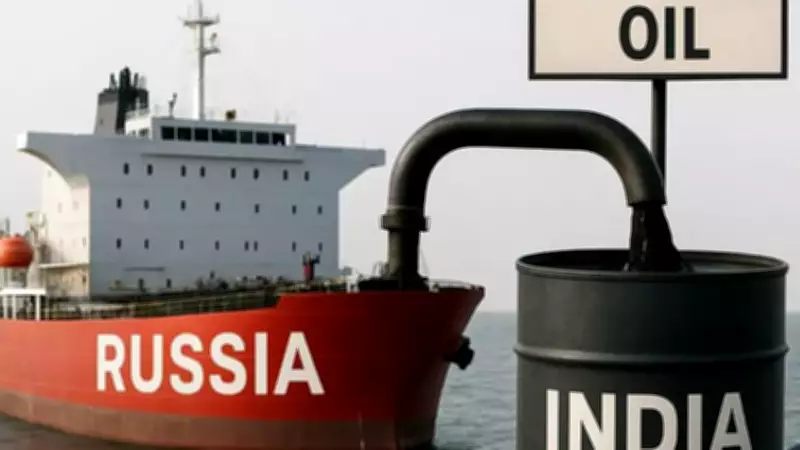
Russia announced on Friday that it will not disclose specific details regarding its crude oil exports to India, pointing to security and geopolitical concerns as the primary reasons. This decision comes at a time of heightened tensions in global energy markets, particularly due to ongoing conflicts in West Asia.
Kremlin's Official Statement on Confidentiality
Kremlin spokesman Dmitry Peskov explicitly stated that Moscow intends to keep the figures confidential and will refrain from releasing any quantitative information about oil shipments to India. "No, of course, we're not going to provide any quantitative data for obvious reasons. That's the first thing. There are too many ill-wishers," Peskov emphasized during his remarks.
His comments were made in response to inquiries about Indian media reports that suggested Russia could deliver approximately 22 million barrels of crude oil to India within a single week. This speculation has been circulating amidst the volatile energy landscape.

Context of US Waiver and Regional Conflicts
Peskov's announcement followed closely on the heels of a statement by US Treasury Secretary Scott Bessent, who revealed that Washington had issued a temporary 30-day waiver. This waiver permits Indian refiners to purchase Russian oil, a move designed to mitigate disruptions caused by the ongoing West Asia conflict.
The geopolitical backdrop includes significant events such as the Israel-Iran war, with recent developments including Israeli airstrikes on Iranian military targets and retaliatory actions by Tehran. These incidents have effectively closed oil transit through the Strait of Hormuz, further complicating global energy supplies.
Visual Evidence and Russian Readiness to Increase Supplies
Earlier on Thursday, Russian state television broadcasted a map displaying multiple oil tankers moving from the Arabian Sea towards the Bay of Bengal. These vessels appeared to be heading towards refineries located on India's eastern coast, providing visual confirmation of the ongoing shipments despite the lack of official data.
In a related development, Russian Deputy Prime Minister Alexander Novak declared that Moscow is prepared to increase crude supplies to both India and China. This readiness is particularly relevant as both nations face energy supply disruptions following US-Israeli strikes on Iran and the subsequent closure of key oil transit routes.
Implications for Global Energy Markets
The refusal to disclose export details underscores the complex interplay between energy security, geopolitical alliances, and economic interests. Russia's stance highlights its strategic approach to maintaining confidentiality in a highly sensitive global environment, where energy resources have become a focal point of international tensions.
As the situation evolves, the dynamics between Russia, India, and other global powers will continue to shape the flow of crude oil and the stability of energy markets worldwide. The ongoing conflicts and diplomatic maneuvers are likely to keep this issue at the forefront of international discussions for the foreseeable future.