







Politics

Mumbai Airport Seizes 64 kg Hydroponic Weed, Arrests 4 Bangkok Arrivals
In a major drug bust, AIU officers at Mumbai's Chhatrapati Shivaji International Airport intercepted four passengers from Bangkok, seizing 64 kg of hydroponic weed. The alertness of officials led to the arrests, highlighting ongoing efforts against drug s





World

World Happiness Report 2026: Finland Leads, India at 116th Spot
Finland retains its top position in the World Happiness Report 2026, with Nordic countries dominating. India ranks 116th, highlighting challenges in well-being indicators like social support and life expectancy.



Entertainment

Dhurandhar: The Revenge Hits Theaters Amid Technical Glitches and Celebrity Praise
Dhurandhar: The Revenge releases with technical problems and show cancellations, while Gabriella Demetriades praises it as her favorite Hindi film. Director Aditya Dhar addresses audience concerns.



Business

PhonePe Delays IPO, Citing Global Volatility Over Valuation Concerns
PhonePe pauses its public listing, prioritizing long-term stability amid global economic uncertainty and West Asian tensions, dismissing claims of valuation mismatches.


Sports




Lifestyle





Technology

Amazon India GarmiKiTaiyari Sale: 65% Off Summer Appliances
Amazon India's GarmiKiTaiyari sale provides discounts up to 65% on ACs, refrigerators from brands like Samsung, LG, Haier, with AI tools, credit card offers, and next-day delivery.

Samsung Halts Galaxy Z Trifold Sales After 3 Months
Samsung has unexpectedly stopped sales of its innovative Galaxy Z Trifold smartphone just three months after launch, citing undisclosed technical issues as the primary reason.
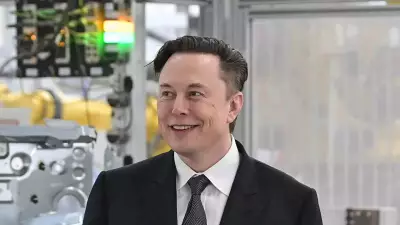
Musk's AI Race Prediction: Google, China, SpaceX as Winners
Elon Musk has made a bold three-part prediction about the future of artificial intelligence, naming Google, China, and SpaceX as the dominant forces in different spheres of the AI race.

Chandigarh University UP Launches AI Smart Healthcare Centre
Chandigarh University Uttar Pradesh has launched a Centre of Excellence in Smart Healthcare to bolster AI-driven healthcare solutions. The initiative includes an AI ethics training program and aims to train 150,000 youth over five years.
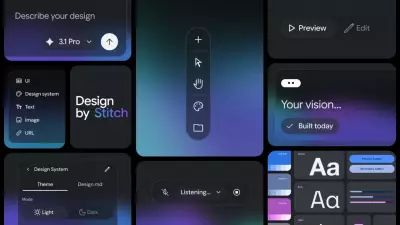
Google Stitch AI Design Tool Gets Voice Control & Infinite Canvas
Google Labs has released a significant update to its Stitch AI UI design tool, introducing voice control, infinite canvas, and a redesigned agent. The update introduces 'vibe design' workflow and integrates with Claude Code and AI Studio.
