

Pakistan's Pivotal Role in US-Iran Ceasefire Deal: What Does Islamabad Gain?
The recent breakthrough in the US-Iran ceasefire negotiations did not emerge from conventional diplomatic channels such as the United Nations or European intermediaries. Instead, it was Pakistan that took center stage as a key mediator, orchestrating intense backchannel parleys to facilitate the tentative truce.
Islamabad's Diplomatic Maneuvering
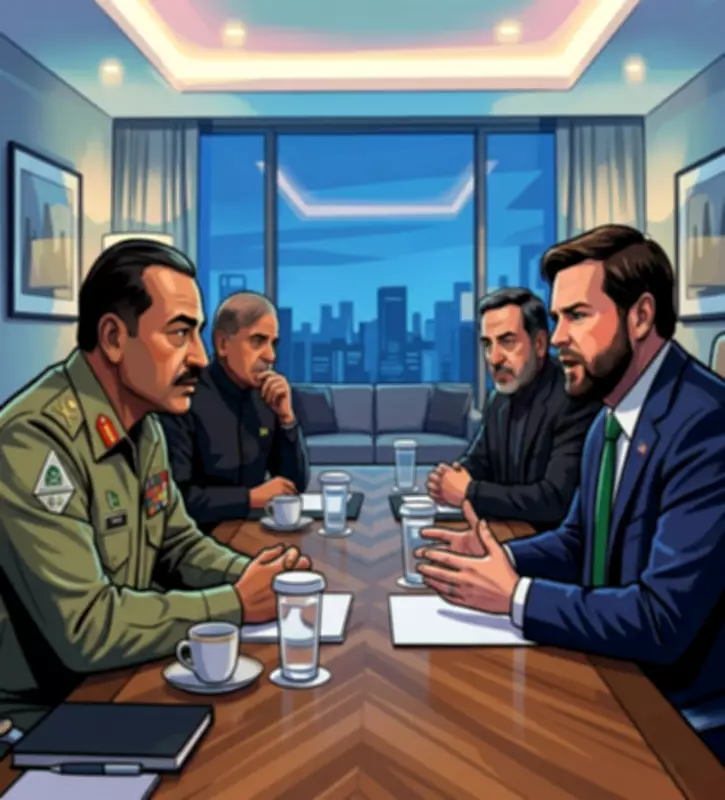
According to reports, Pakistan Prime Minister Shehbaz Sharif and Army chief, Field Marshal Asim Munir, played instrumental roles in the negotiations. They reportedly engaged directly with US Vice President JD Vance and Iranian Foreign Minister Abbas Araghchi to hammer out the details of the ceasefire agreement. This high-level involvement underscores Pakistan's strategic positioning in regional geopolitics.
The backchannel talks, conducted away from the public eye, allowed for more flexible and candid discussions between the conflicting parties. Pakistan's diplomatic corps leveraged its historical ties with both nations to bridge gaps and foster a climate of compromise.

Credit and Controversy
Despite Pakistan's crucial mediation efforts, President Donald Trump stepped forward to take credit for the ceasefire breakthrough. This move has sparked discussions about the recognition of behind-the-scenes diplomacy versus public political posturing.
Analysts suggest that Trump's claim may overshadow Pakistan's contributions, but insiders emphasize that the real achievement lies in the cessation of hostilities, regardless of who receives the accolades.
Strategic Implications for Pakistan
Pakistan's successful mediation in the US-Iran ceasefire deal carries significant strategic implications. Firstly, it enhances Islamabad's diplomatic stature on the global stage, positioning it as a reliable and effective mediator in complex international disputes.
Secondly, this role could translate into tangible benefits, such as strengthened bilateral relations with both the United States and Iran. Improved ties might lead to increased economic cooperation, security collaborations, and enhanced regional influence.
Moreover, by facilitating peace between two adversarial powers, Pakistan potentially reduces regional instability, which aligns with its national security interests. A stable neighborhood is crucial for Pakistan's economic development and internal security.
Future Prospects
The tentative truce brokered through Pakistan's efforts marks a hopeful step toward lasting peace. However, the sustainability of the ceasefire will depend on continued diplomatic engagement and adherence to the agreed terms by all parties involved.
Pakistan's role as a mediator sets a precedent for future conflict resolution initiatives, highlighting the importance of regional actors in global diplomacy. As the situation evolves, Islamabad's gains from this deal will become clearer, potentially shaping its foreign policy trajectory in the years to come.






