Pakistan's Blame Game on India for Baloch Attacks Won't Solve Historic Insurgency
In the wake of devastating militant attacks across Balochistan, Pakistan has once again pointed fingers at India, labeling the violence as Fitna al-Hindustan or India's seditious move. However, this attempt to externalize blame is not only unsubstantiated but dangerously overlooks the deep-rooted, organic nature of the Baloch insurgency. The reality is that blaming neighbors will not help Pakistan; it will only exacerbate the situation by ignoring the core issues of governance, societal inclusion, and equitable development.
Historical Context of Baloch Discontent
To understand the current crisis, one must look back to the colonial era. British rulers, while managing the territories that now form Pakistan, adopted a nuanced approach: Rule the Punjabis, intimidate the Sindhis, buy the Pashtun, and honour the Baloch. The Baloch, known for their martial spirit and nationalism towards their land and tribes, were honored with titles, political autonomy, and military recognition. This changed dramatically after Pakistan's independence in 1947.
The Baloch, being numerically the smallest group, felt marginalized from the outset. The integration was rocky, with the Kalat Khanate declaring independence and the first Baloch revolt erupting soon after. Over the decades, the region, despite being rich in natural resources like gas and minerals, became the poorest in Pakistan due to exploitative practices without fair revenue-sharing. Discrimination in employment and the dominance of outsiders in projects like the China-Pakistan Economic Corridor (CPEC) further fueled resentment.

Rise of Insurgency and Recent Escalation
This sense of political and economic alienation gave birth to various insurgent groups, including the Balochistan Liberation Force (BLA) and others. The late Nawab Akbar Bugti, killed in a military operation, encapsulated the Baloch spirit: We, the Baloch people, believe that the best way to die is to die fighting. Today, Balochistan hosts one of the world's longest-running insurgencies, with tens of thousands of fatalities and countless enforced disappearances.
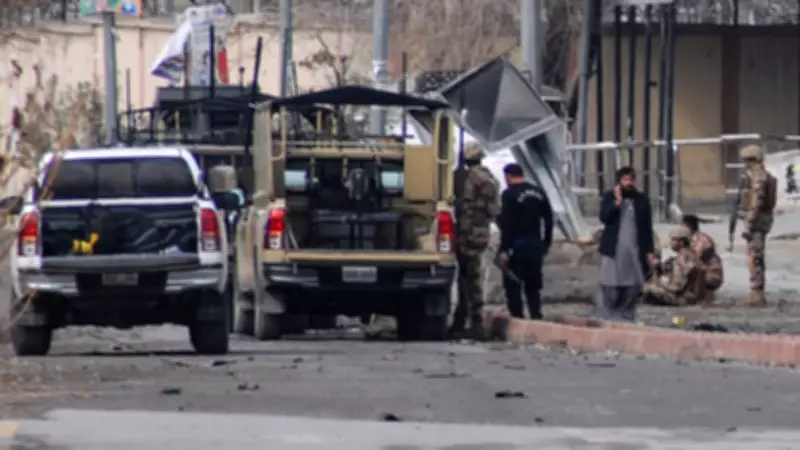
Recent data highlights the severity. In 2025, the Pak Institute for Peace Studies recorded 699 attacks, a 34% increase from the previous year, with fatalities rising by 21%. The situation worsened in 2026 with coordinated attacks under Operation Herof or Black Storm by the BLA in cities like Quetta, Gwadar, Mastung, and Nushki. Official figures report 31 civilian deaths, 17 security personnel killed, and nearly 150 militants neutralized, though the BLA contests this, claiming higher casualties on the Pakistani side.
Why Blaming India Falls Short
Pakistan's narrative of Indian involvement lacks credible evidence. Balochistan is not contiguous to India, lying 500-1,000 kilometers from the Line of Control, with no linguistic, cultural, or religious ties to support such claims. Instead, insurgent camps and leaders like Bashir Zaib are believed to be based in Afghanistan, under the Taliban—a group with its own complex ties to Pakistan.
The sophistication and scale of recent attacks, including suicide bombings, point to vast local support and deep-seated animosity towards the state. This disillusionment is historic and homegrown, not imported. As one analyst notes, the endless bloodlust in Balochistan persists as each military purge births new grievances, trauma, and recruits.
Structural Issues and the Path Forward
The Baloch insurgency is not a monolithic movement but an umbrella of tribal groupings, making it resilient to decapitation strikes. Key factors perpetuating the conflict include:

- Denied Honor and Marginalization: Decades of political and economic exclusion have created a subliminal sense of injustice.
- Military Repression: So-called sanitization operations with high kill-rates only fuel local disaffection and radicalize dissent.
- Lack of Accountability: State actions often delegitimize grievances by labeling them as anti-national or India-supported, avoiding real solutions.
With neighboring Khyber-Pakhtunkhwa already facing attacks from groups like the Tehreek-e-Taliban Pakistan (TTP), Pakistan cannot afford a similarly bleeding Balochistan. The solution lies not in external blame but in addressing internal failures. Proper governance, societal inclusion, and equitable development are essential to break the cycle of repression and revenge.
In conclusion, while it may be expedient for Pakistan to externalize its homegrown conflicts, history shows this only deepens ethnic alienation and prolongs violence. Until the underlying issues of Baloch grievances are tackled with accountability and reform, such attacks are likely to increase, making finger-pointing at neighbors a poor substitute for meaningful change.