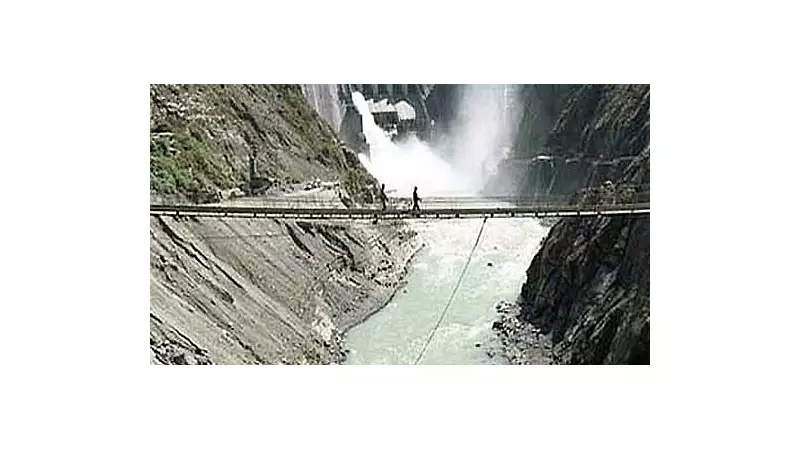
Pakistan has issued a firm statement, declaring that India is not permitted to misuse its allocated share of water from the western rivers under the provisions of the longstanding Indus Waters Treaty (IWT). This diplomatic warning comes in direct response to a series of punitive measures initiated by India against its neighbor.
India's Response to Pahalgam Terror Attack
The escalation traces back to April 22, when a terror attack struck Pahalgam. In the immediate aftermath, the Indian government decided to take a strong stance. A day after the attack, on April 23, India announced a set of retaliatory actions targeting Pakistan. Among the most significant of these measures was the decision to place the 1960 vintage Indus Water Treaty (IWT) in a state of "abeyance." This move signaled a potential reconsideration of India's commitments under the pivotal water-sharing agreement.
Pakistan's Stance on Water Rights
Reacting to India's step, Pakistan has clarified its position on the treaty's terms. The Indus Waters Treaty, brokered by the World Bank, divides the six rivers of the Indus basin between the two nations. Pakistan's concern centers on the three western rivers—the Indus, Jhelum, and Chenab—the use of which is largely allocated to Pakistan, though India is permitted certain non-consumptive uses. Islamabad's core message is that India's allowance to use water from these western rivers is strictly defined and cannot be exceeded or misused, regardless of the treaty's current status in Indian policy.

Implications and Regional Tensions
This exchange marks a serious downturn in hydro-diplomacy between the two nuclear-armed rivals. The Indus Water Treaty has historically been hailed as a rare example of cooperation, surviving multiple wars. Putting it in abeyance and the subsequent warnings from Pakistan introduce a new layer of complexity to an already strained relationship. The situation underscores how security incidents, like the Pahalgam terror attack, can quickly spill over into critical resource-sharing agreements, potentially affecting water security for millions of people in the region. The international community is likely watching closely as both nations navigate this delicate and consequential dispute.