

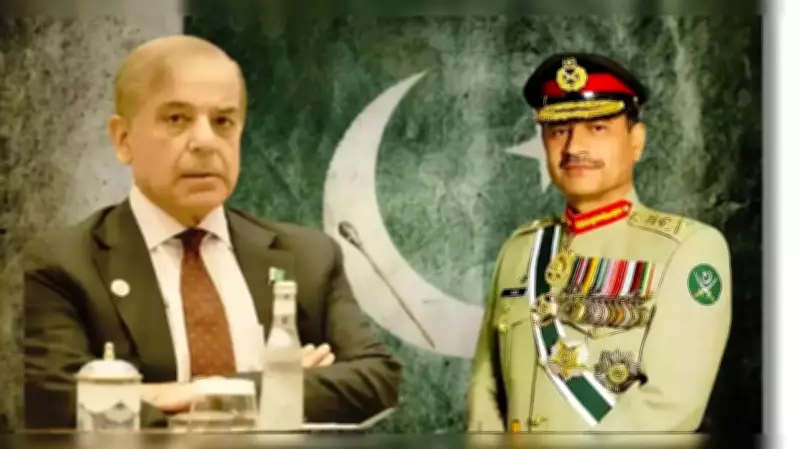
In a startling admission that has sent shockwaves through diplomatic circles, Pakistan Prime Minister Shehbaz Sharif has publicly confessed to what critics have long suspected. The Prime Minister revealed that he and Army Chief General Asim Munir engaged in what he described as "begging" foreign nations for financial assistance and loans.
Economic Distress Laid Bare
Sharif's candid statement has laid bare the severe economic distress gripping Pakistan, exposing the country's deep strategic dependence on external support. The Prime Minister made these remarks as Pakistan simultaneously pursued multiple financial lifelines on the global stage.
Multiple Fronts of Financial Struggle
The timing of Sharif's admission is particularly significant as Pakistan navigates several critical financial challenges:

- Ongoing negotiations with the International Monetary Fund for crucial bailout packages
- Complex discussions about debt rollovers with various creditor nations
- Defensive economic presentations at international forums like the Davos summit
Internal Acknowledgment of Economic Mismanagement
Pakistani officials have reportedly conceded that much of the borrowed funds have historically fueled domestic consumption rather than productive investments in export-oriented sectors. This admission highlights structural weaknesses in Pakistan's economic management that have persisted for years.
Civil-Military Dynamics Under Scrutiny
Adding another layer of complexity, Prime Minister Sharif openly called for enhanced civil-military teamwork during his remarks. This public appeal has reinforced longstanding concerns about where real power resides within Pakistan's governance structure, with many observers questioning the balance between elected civilian leadership and military influence.
Contrasting Priorities Raise Questions
The situation becomes even more ironic considering recent reports that Pakistan has allocated substantial financial resources to secure a position on former US President Donald Trump's Board of Peace initiative. This expenditure has raised serious questions about Pakistan's spending priorities amid severe economic constraints.
Regional Implications for India
For neighboring India, this episode provides revealing insights into Pakistan's current predicament. The developments expose a nation caught between economic desperation and the desire to maintain global relevance. The situation illustrates Pakistan's struggle to implement meaningful economic reforms while simultaneously attempting to project influence on the international stage.
The viral nature of Sharif's admission suggests these revelations have struck a chord globally, highlighting how Pakistan's economic vulnerabilities are increasingly difficult to conceal despite efforts to maintain diplomatic appearances. The episode serves as a stark reminder of the complex interplay between economic realities, political power structures, and international diplomacy in South Asia.






