Nepal Home Minister Sudan Gurung Resigns Amid Wealth Scrutiny and Business Links Probe
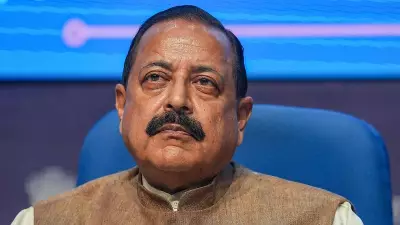
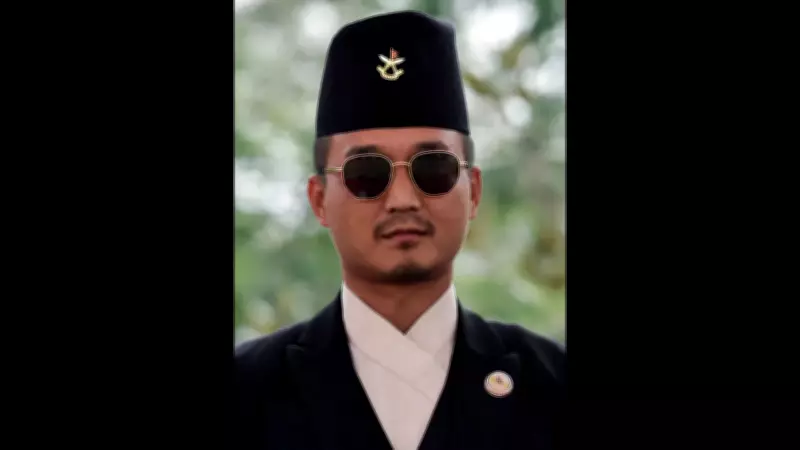
In a significant political development, Nepal's Home Minister Sudan Gurung, a handpicked aide of Prime Minister Balendra Shah, resigned on Wednesday. His departure comes amid intense scrutiny over his wealth disclosures, investments, and alleged business connections with businessman and power broker Deepak Bhatta, who is currently under investigation in a money-laundering case.
Dramatic Day in Nepalese Politics
Following Gurung's exit, Prime Minister Shah immediately assumed charge of the home ministry. This move occurred just 26 days after Shah's anti-corruption government took office, highlighting the rapid pace of political turmoil. Gurung's resignation marks the second ministerial setback for Shah within weeks. On April 9, Shah dismissed Labour, Employment and Social Security Minister Deepak Kumar Sah after a disciplinary panel found he had misused his position to retain his wife, Junu Shrestha, on the Health Insurance Board. The ruling party stated this action breached its code of conduct and discipline.
Gurung's Background and Rise to Power
Sudan Gurung, a former event manager and nightclub DJ, founded the NGO Hami Nepal after participating in relief efforts during the devastating 2015 earthquake. He emerged as a prominent leader during last year's deadly Gen Z protests, which ultimately forced former Prime Minister KP Sharma Oli to resign and paved the way for Shah's ascent to the prime minister's post. Notably, Shah and Gurung formally joined the ruling Rastriya Swatantra Party (RSP) together on January 18, with Gurung announcing on social media that they would enter the party office jointly.

Reasons for Resignation and Public Statements
Announcing his resignation, Gurung stated he was stepping down to facilitate an impartial investigation and avoid any conflict of interest. "For me, ethics matter more than a position, and no power is greater than public trust," he declared, emphasizing that questions raised by citizens must be answered with "moral integrity." Prior to the resignation, Shah had requested a written clarification from Gurung regarding the allegations.
Gen Z Activists Demand Accountability
Gen Z activists, whose protests had catapulted Gurung from civil society into Nepal's political corridors, had also demanded his dismissal and arrest after concerns surfaced about his assets and alleged links with Deepak Bhatta. In a statement, Gen-Z Movement Nepal argued that allowing Gurung to remain in office "could influence the investigation process and represents a clear conflict of interest," adding that a minister under investigation could not continue without violating "basic ethical and legal principles."
Wealth Disclosures Trigger Controversy
The controversy ignited after ministers' asset declarations were made public on April 12. Gurung disclosed:
- Shares and securities
- 89 tola (1.04kg) of gold
- 6kg of silver
- Over Nepali Rs 61 lakh (approximately Rs 38 lakh) in cash
- A vehicle
- Land in Dhankuta
- Properties registered in his father's and grandfather's names in Chitwan and Gorkha
These disclosures raised serious questions about the wealth of a politician who had built his public image around activism, disaster relief, and clean governance.
Alleged Business Links and Investments
The issue intensified after reports revealed that Gurung held founder-level shares in two micro-insurance firms: Star Micro Insurance and Liberty Micro Life Insurance. His name appeared alongside figures linked to Deepak Bhatta and Shanker Group vice-chair Sulav Agrawal. Gurung had invested Nepali Rs 25 lakh (approximately Rs 15.6 lakh) in each firm, which had not yet launched initial public offerings. Agrawal was arrested earlier this month as part of a broader money-laundering probe into transactions worth Nepali Rs 3.7 billion (approximately Rs 231 crore).

Gurung's Defense and Critics' Counterarguments
Gurung denied concealing the investments, asserting they were part of his declared stock-market portfolio. "Someone who intends to hide assets does not openly declare over Rs 20 million in investments," he stated earlier. He also argued that purchasing shares did not constitute a business partnership. However, critics contended that unlisted founder shares should have been separately identified and not grouped under general securities holdings. They further questioned the source of funds after records showed:
- Nepali Rs 22.5 lakh (approximately Rs 14 lakh) deposited by Chang Agarwal into Gurung's personal account on May 9, 2023.
- Nepali Rs 37.5 lakh (approximately Rs 23.4 lakh) deposited by Bijay Kumar Shrestha on the same day.
- The following day, Nepali Rs 25 lakh (approximately Rs 15.6 lakh) each was transferred from Gurung's account to Liberty Micro Life Insurance and Star Micro Insurance.
Questions Over Donations and Financial Records
Financial records also raised concerns about donations. Gurung's personal account received around Nepali Rs 60 lakh (approximately Rs 37.5 lakh) in May-June 2021 as Covid-19 relief donations. Of this amount, Nepali Rs 25.9 lakh (approximately Rs 16.2 lakh) was later transferred to Hami Nepal. Additionally, Hami Nepal's bank account received Nepali Rs 2.28 crore (approximately Rs 1.42 crore) between July 2021 and August 2025, with Shanker Group identified as one of its largest corporate donors.
Broader Investigation and Political Context
Deepak Bhatta, chairman of Infinity Holdings, has diverse interests in sectors such as energy, real estate, travel, consumer goods, government contracts, insurance, and the stock market. Investigators are examining alleged suspicious transactions involving Bhatta, Agrawal, Shanker Group, and Himalayan Reinsurance. Meanwhile, Shah's government faces additional challenges, including protests and clashes along the India-Nepal border over stricter customs duties on goods worth over Nepali Rs 100 (approximately Rs 63) brought from India. Kathmandu has also witnessed large demonstrations against the government's move to ban party-affiliated student politics in colleges and replace student unions with student councils.