

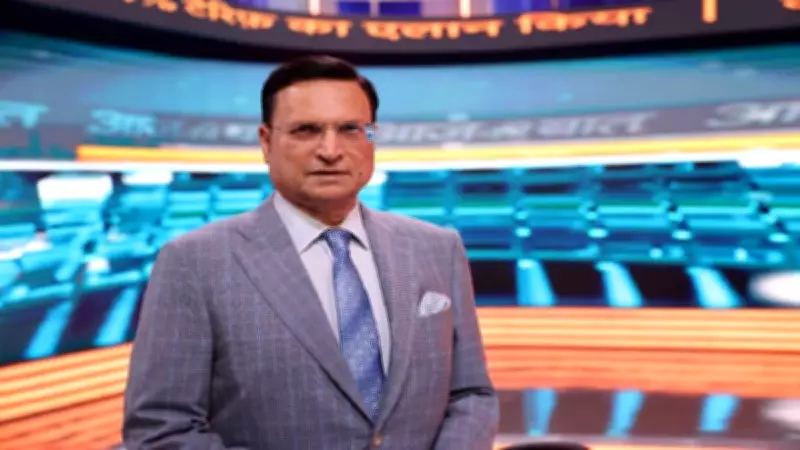
In a compelling analysis on the popular show Aaj Ki Baat, host Rajat Sharma delved into the nuanced diplomatic maneuvers that have recently yielded favorable outcomes for India on the global trade front. The discussion centered on how Prime Minister Narendra Modi's steadfast patience and calculated strategies have been instrumental in securing lowered tariffs, marking a significant achievement for the nation's economic landscape.
The Art of Diplomatic Patience
Rajat Sharma emphasized that Prime Minister Modi's approach has been characterized by a blend of resilience and tactical foresight. Rather than rushing into negotiations or adopting aggressive postures, the government has consistently pursued a path of measured engagement. This patience, Sharma noted, allowed India to build stronger relationships with key international partners, creating a foundation of trust that proved crucial in tariff discussions.
Strategic Milestones in Trade Negotiations
Over the past few years, India has engaged in numerous bilateral and multilateral trade talks, where Modi's leadership played a pivotal role. Sharma highlighted specific instances where this patient diplomacy paid off, such as in agreements with major economies that resulted in reduced import-export duties. These tariff concessions are expected to enhance India's competitiveness in global markets, support domestic industries, and potentially lower prices for consumers.

The analysis pointed out that this success is not merely a result of short-term tactics but stems from a long-term vision. By avoiding hasty decisions and focusing on sustainable partnerships, the government has positioned India as a reliable and strategic player in international trade. This has, in turn, encouraged other nations to offer more favorable terms, recognizing India's growing economic clout and stability.
Implications for India's Economic Future
Sharma discussed the broader implications of these tariff reductions, suggesting they could lead to increased foreign investment, job creation, and overall economic growth. Lower tariffs often translate to reduced costs for businesses, which can boost exports and stimulate various sectors, from manufacturing to agriculture. Moreover, this diplomatic victory underscores India's ability to navigate complex global dynamics effectively, enhancing its reputation on the world stage.
Public and Political Reactions
The episode also touched upon the reactions from various stakeholders, including industry leaders and political analysts, who have largely praised the government's approach. Many view this as a testament to Modi's leadership style, which prioritizes strategic patience over impulsive actions. In a world where trade wars and protectionism are on the rise, India's success in lowering tariffs through diplomacy is seen as a notable achievement that could inspire similar efforts in other areas.
In conclusion, Rajat Sharma's analysis on Aaj Ki Baat provided a detailed look into how Prime Minister Narendra Modi's patient and strategic diplomacy has led to tangible benefits for India, particularly in the form of reduced tariffs. This approach not only strengthens the economy but also reinforces India's role as a key player in international affairs, setting a precedent for future negotiations.






