

PM Modi Issues Stark Warning on West Asia Conflict's Long-Term Impact
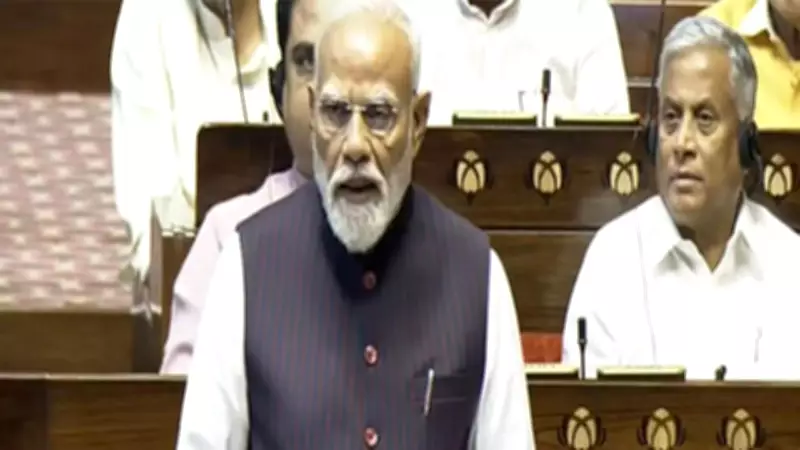
Prime Minister Narendra Modi delivered a sobering assessment of the escalating conflict in West Asia on Tuesday, warning that its adverse effects could persist for an extended period. Speaking in the Rajya Sabha amid ongoing uncertainty about the war's trajectory, Modi emphasized that the situation poses a significant test for India, with potential ramifications for energy security and the global economy.
Conflict Could Trigger Energy Crisis and Economic Consequences
Modi cautioned that continued hostilities between Israel and Iran could lead to severe disruptions, particularly highlighting concerns about attacks on commercial shipping and the blockade of the Strait of Hormuz. This critical maritime passage serves as the primary conduit for oil and gas imports to India, making any obstruction unacceptable to national interests.
The Prime Minister's remarks came just one day after reports emerged about potential negotiations between the United States and Iran, with the White House describing the situation as "sensitive" and "fluid." Despite these diplomatic overtures, Modi's tone reflected widespread skepticism about any imminent cessation of hostilities.

India's Diplomatic Efforts and Security Concerns
"Our goal is to restore peace in the region through dialogue and diplomacy," Modi declared, outlining India's continuous diplomatic initiatives to ensure safe passage for its vessels. "We have spoken with them about de-escalation and reopening the Strait of Hormuz."
The Prime Minister reiterated India's condemnation of attacks targeting civilians, civil infrastructure, and energy and transportation facilities. He emphasized that such actions violate international norms and threaten regional stability.
Call for Enhanced Self-Sufficiency and State Cooperation
Modi made a compelling case for redoubling efforts toward self-reliance, noting that approximately 90% of ships carrying supplies to India are foreign-owned. "This is not a very happy situation," he observed, referencing his government's previous initiatives to reduce dependency on external sources for critical materials like active pharmaceutical ingredients (APIs) and defense imports.
The Prime Minister specifically appealed for cooperation from state governments to cushion the impact on vulnerable populations during the crisis. "Therefore, it must be ensured that the benefits of the PM Garib Kalyan Anna Yojana reach them on time," he stated, highlighting the scheme's importance in protecting the poor from supply chain disruptions.
Government's Preparedness and Economic Fundamentals
Despite the challenging circumstances, Modi expressed confidence in India's economic resilience. "The fundamentals of our economy are strong, and the government is closely monitoring the rapidly changing situation," he assured. The Prime Minister added that authorities are working diligently to ensure farmers receive adequate fertilizers for the upcoming sowing season and that ships transporting essential goods reach their destinations safely.
"I assure the people that the government is alert, ready, and working with full seriousness on strategy, taking every necessary decision," Modi affirmed. "The welfare of the people is paramount for us."
As Gulf allies like Saudi Arabia and the United Arab Emirates reportedly consider joining the conflict—with Saudi granting US base access and UAE shutting Iranian assets—Modi's warning about prolonged disruption takes on added significance. The Prime Minister's address underscores India's delicate balancing act in navigating regional tensions while safeguarding its economic and energy security interests.






