India and Iran Hold High-Level Talks on Strait of Hormuz Security
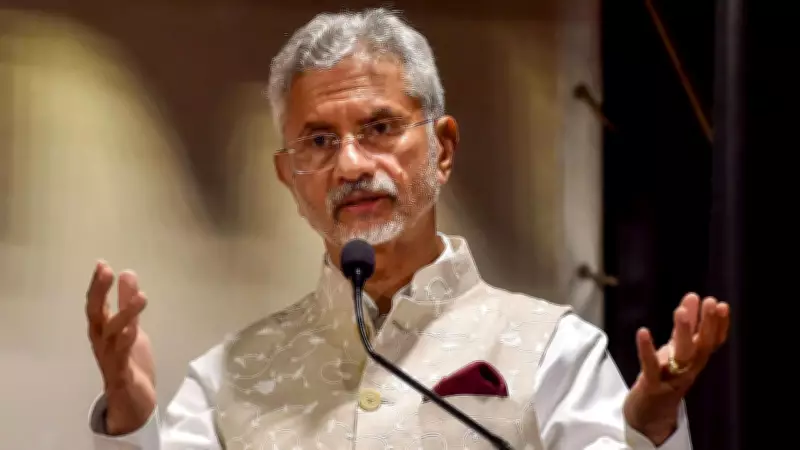
External Affairs Minister Dr. S. Jaishankar engaged in a significant telephone discussion with his Iranian counterpart, Foreign Minister Seyed Abbas Araghchi, on Tuesday evening. The conversation centered on the escalating security concerns in the strategically vital Strait of Hormuz, a critical maritime chokepoint for global oil shipments.
Diverging Perspectives on Regional Instability
According to official readouts from both nations, the dialogue revealed differing viewpoints on the root causes of the current instability. Minister Jaishankar emphasized the paramount importance of ensuring safe passage for merchant vessels through the region, highlighting India's deep interest in maritime security given its substantial energy imports and trade routes.
In contrast, the Iranian statement attributed the insecure environment directly to "the aggressive and destabilising actions of the United States" and Israel. Foreign Minister Araghchi argued that the international community bears a responsibility to hold the U.S. accountable for what Iran describes as military aggression violating the UN Charter and international law.

Third Diplomatic Exchange Since Conflict Escalation
This marked the third direct communication between the two foreign ministers since regional hostilities intensified on February 28. The persistent diplomatic engagement underscores the complex balancing act India maintains in its foreign policy, maintaining strong ties with Iran while navigating relationships with Western allies.
Jaishankar reaffirmed India's commitment to enhancing bilateral relations with Tehran while stressing the necessity of continued consultations to help restore regional stability. The Indian position reflects a careful diplomatic approach focused on de-escalation and protecting economic interests.
Broader Context: Recent Incidents and Accusations
The discussion occurred against a backdrop of recent maritime incidents that have heightened tensions. Iran's foreign ministry reiterated that the frigate Dena, which was torpedoed and sunk by a U.S. submarine on March 4, had been officially invited by the Indian Navy to participate in joint naval exercises and a port visit prior to its destruction.
Additionally, Iran has issued warnings to several U.S. technology firms including Google, Amazon, Microsoft, and Nvidia, labeling them as "legitimate targets" in the ongoing geopolitical confrontation. These developments illustrate how regional conflicts increasingly spill over into economic and technological domains.
India's Delicate Diplomatic Position
New Delhi has previously condemned attacks on commercial shipping, including an India-bound Thai vessel, describing the loss of innocent lives in the conflict as "unacceptable." India's position reflects its dual priorities: protecting its citizens and economic interests while maintaining productive relationships with all regional actors.
The Strait of Hormuz conversation represents a crucial element of India's proactive diplomacy in the Middle East, where approximately one-fifth of the world's oil shipments pass through the narrow waterway. As regional tensions persist, such high-level exchanges will likely continue as India seeks to safeguard its strategic interests while advocating for peaceful resolution of conflicts.