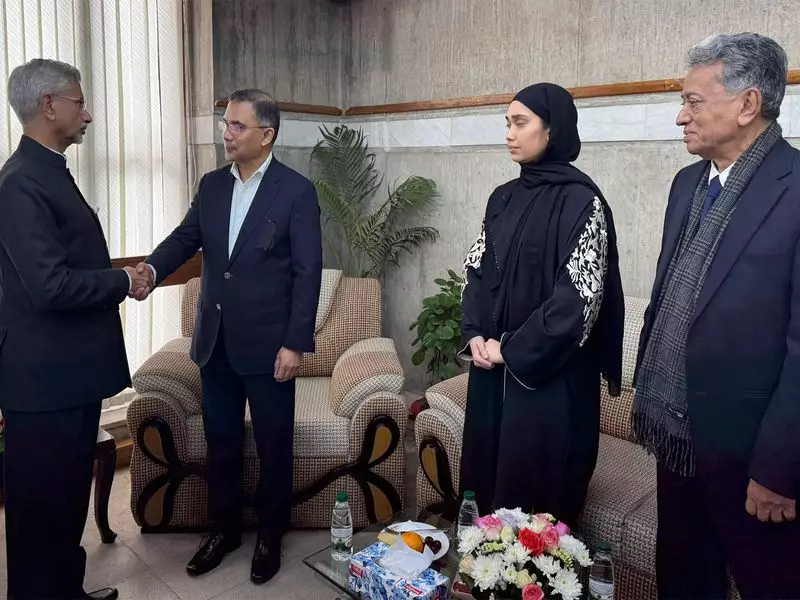
India's External Affairs Minister, Dr. S. Jaishankar, is set to make a significant visit to Dhaka, Bangladesh, on Monday. The primary purpose of his trip is to attend the funeral of former Bangladesh Prime Minister Begum Khaleda Zia. This diplomatic gesture is being viewed as a profound mark of respect and is expected to provide a fresh impetus to the bilateral relationship between the two neighboring nations.
A Gesture of Respect and Solidarity
The visit underscores the deep personal and political connections that transcend borders in South Asia. Begum Khaleda Zia, a towering figure in Bangladeshi politics and a two-time former Prime Minister, passed away recently. Her funeral is a moment of national significance for Bangladesh. Dr. Jaishankar's presence as a high-level representative from India is seen as a powerful symbol of solidarity and shared mourning.
Bangladesh's High Commissioner to India, Mustafizur Rahman, explicitly highlighted the importance of this gesture. He stated that the visit goes beyond formalities and reflects the close ties between the peoples and leadership of both countries. The envoy expressed confidence that this interaction would pave the way for deeper engagement.

An Opportunity to Forge a New Chapter
While the immediate context is somber, diplomatic circles are viewing the visit as a strategic opportunity. High Commissioner Rahman articulated this sentiment clearly, noting that he looks forward to the two sides "scripting a new chapter" in their multifaceted relationship. The brief visit is expected to include meetings with top Bangladeshi leadership, including Prime Minister Sheikh Hasina.
These talks are likely to cover a range of bilateral issues, from trade and connectivity to security and water-sharing. The dialogue occurs against the backdrop of a robust partnership where India is a key development ally for Bangladesh. However, the relationship also navigates complex issues, making high-level diplomacy crucial for maintaining positive momentum.
Strengthening the Neighbourhood First Policy
Dr. Jaishankar's trip aligns seamlessly with India's core foreign policy doctrine of 'Neighbourhood First.' By personally attending the funeral of a major political leader, India is demonstrating empathy and a commitment to people-centric diplomacy. This approach is vital for fostering trust and goodwill, which are the bedrock of sustainable international relations.
The discussions in Dhaka are anticipated to reinforce ongoing collaborations in areas such as:
- Cross-border infrastructure and connectivity projects
- Energy cooperation and power transmission
- Defense and security partnerships
- Cultural and people-to-people exchanges
In conclusion, while the External Affairs Minister's visit to Dhaka is occasioned by a solemn event, it carries significant weight for the future of India-Bangladesh ties. The personal touch in diplomacy, as shown by this visit, often serves as a catalyst for strengthening institutional and economic bonds. Both nations appear poised to use this moment of condolence as a stepping stone to enhance their historically close and mutually beneficial partnership.