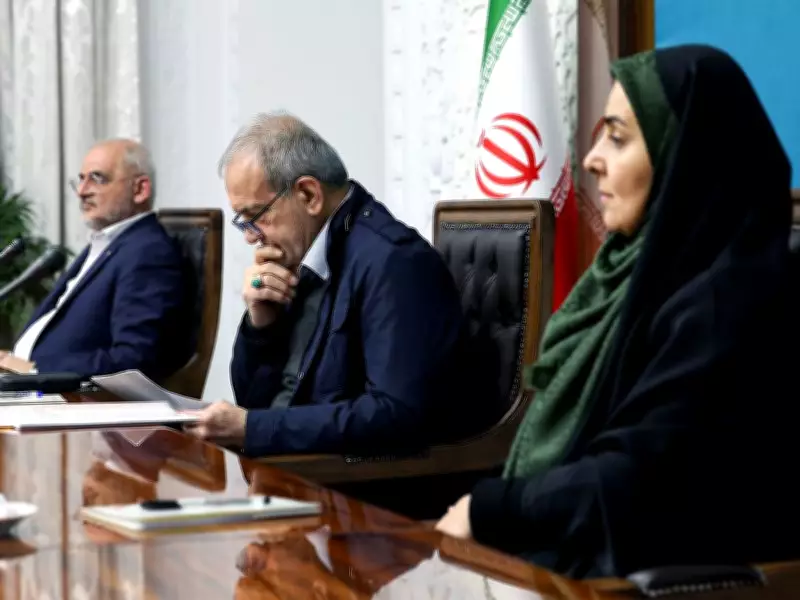
Iran's President Calls for US Recognition of Rights to Halt Aggression
In a significant diplomatic statement, Iran's President Ebrahim Raisi has declared that the United States must formally recognize Iran's right to prevent aggression from recurring as a crucial step toward ending ongoing conflicts. This demand underscores Iran's firm stance on sovereignty and security in the face of international tensions.
Key Conditions for Conflict Resolution
President Raisi emphasized that any resolution to the current hostilities requires the US to acknowledge Iran's legitimate rights under international law. He argued that such recognition is essential to ensure that aggressive actions do not reoccur, thereby fostering a more stable and peaceful regional environment.
This position highlights Iran's commitment to defending its national interests and deterring future threats. The president's remarks come amid heightened geopolitical friction, with Iran seeking to assert its role in global affairs while addressing domestic and external challenges.

Implications for US-Iran Relations
The call for US recognition signals a potential shift in diplomatic engagements between the two nations. By linking the end of war to this precondition, Iran aims to leverage its strategic position to secure concessions and reinforce its autonomy on the world stage.
Analysts suggest that this demand could complicate negotiations, as it touches on core issues of sovereignty and security that have long been points of contention. The US response will likely influence the trajectory of future talks and the broader dynamics in the Middle East.
Broader Regional and Global Context
Iran's stance is set against a backdrop of regional instability and global power struggles. The president's statement reflects Iran's efforts to navigate complex international relations while upholding its principles and safeguarding its citizens from perceived aggressions.
- Recognition of Iran's rights as a non-negotiable element for peace.
- Focus on preventing the recurrence of hostile actions through legal frameworks.
- Potential impact on diplomatic efforts and conflict resolution mechanisms.
As tensions persist, the international community watches closely to see how this demand will shape the path toward de-escalation and long-term stability in the region.