Iran's Natanz Nuclear Facility Targeted in Recent Military Operations
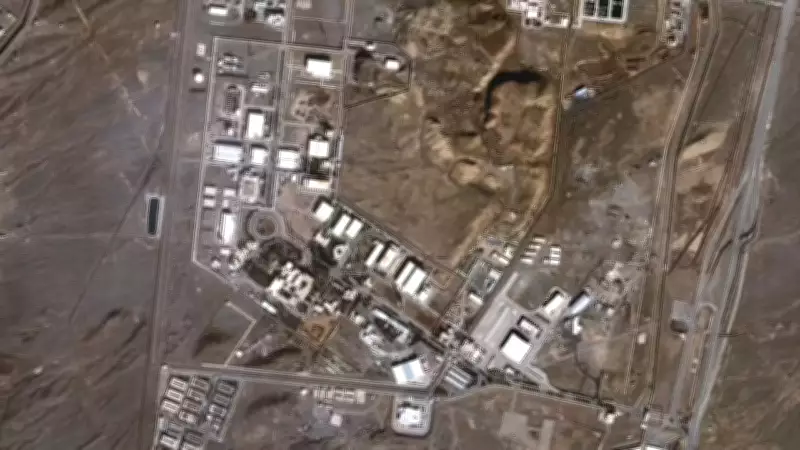
Iran's ambassador to the United Nations nuclear watchdog confirmed on Monday that the country's Natanz nuclear facility was struck during recent military operations conducted by the United States and Israel. Reza Najafi, Iran's envoy to the International Atomic Energy Agency, told reporters at a meeting of the 35-nation board of governors that "Again they attacked Iran's peaceful, safeguarded nuclear facilities yesterday."
Heightened Tensions Over Nuclear Program
The development comes amid escalating tensions surrounding Iran's nuclear program, which has been a point of international contention for years. When specifically asked which sites were targeted, Najafi identified "Natanz" as the location of the attack, according to Reuters reporting from the IAEA meeting.
This incident follows previous strikes in June when the United States carried out attacks on Iranian nuclear facilities that Washington claims were part of a program aimed at developing nuclear weapons. Tehran has consistently maintained that its nuclear activities are exclusively for civilian purposes and peaceful energy generation.

Iranian Leadership Responds with Defiance
Iranian President Masoud Pezeshkian responded to the attacks with a defiant message, stating that Tehran would rebuild its nuclear infrastructure despite the damage. During a visit to Iran's atomic energy organization, Pezeshkian told state media that "Destroying buildings and factories will not create a problem for us, we will rebuild and with greater strength."
The Iranian president emphasized that the country does not seek nuclear weapons, explaining that "It's all intended for solving the problems of the people, for disease, for the health of the people," referring to Iran's nuclear activities as being focused on medical and civilian applications.
International Warnings and Concerns
IAEA Director General Rafael Mariano Grossi expressed serious concern about the situation during the board of governors meeting, warning that the "possibility of radiological release cannot be ruled out" in the current volatile environment. Grossi stated, "Let me underline that the situation today is very concerning. We cannot rule out a possible radiological release with serious consequences, including the necessity to evacuate areas as large or larger than major cities."
The IAEA chief noted that the agency possesses "extensive knowledge of the nature and location of nuclear and radiological material in the region" and stands ready to provide assistance in case of an attack or accident causing radiological release. Grossi highlighted that several countries in West Asia operate nuclear power plants or research reactors, which increases the risks amid military escalation, and urged "utmost restraint in all military operations."
Broader Regional Context
The Natanz attack occurs within a complex regional security landscape that has seen multiple incidents in recent days. Iranian state media has claimed that a US fighter jet was downed in Kuwait, though this remains unverified by independent sources. Additional reports have mentioned explosions in Bahrain, Dubai, and Doha, though details remain unclear.
Meanwhile, Israel has reportedly bombed Hezbollah targets in Beirut, and Gulf nations have vowed to defend themselves against potential threats. US President Donald Trump has previously warned that he would order fresh attacks on Iran's nuclear sites if Tehran attempts to restart facilities bombed in June, adding another layer of tension to the already volatile situation.
The Natanz facility has long been a focal point in international discussions about Iran's nuclear program. Located in central Iran, approximately 200 kilometers south of Tehran, the site has been subject to various attacks and sabotage attempts over the years, including a significant explosion in 2020 that caused extensive damage to its centrifuge assembly facility.