Iranian Intelligence Operative Found Guilty in US Court for Terrorism and Murder-for-Hire Plot
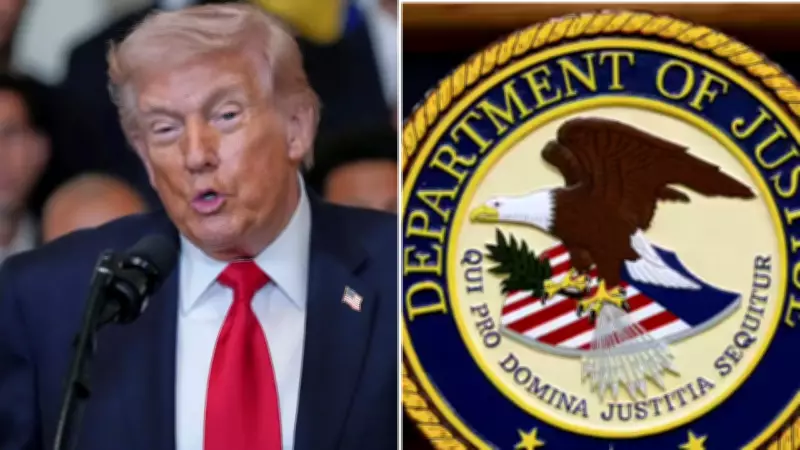
An Iranian intelligence operative has been convicted by a US federal jury for terrorism and murder-for-hire offences linked to a foiled plot to assassinate American political figures, including former President Donald Trump. The case highlights ongoing security threats and international tensions.
Details of the Conviction and Charges
Prosecutors stated that the man, identified as Asif Merchant, also known as Asif Raza Merchant, was sent to the United States by Iran's powerful Islamic Revolutionary Guard Corps (IRGC) to organise political killings and other covert operations on American soil. The US Department of Justice announced that Merchant was found guilty of attempting to commit an act of terrorism transcending national boundaries and arranging murder for hire. He now faces up to life in prison for these serious crimes.
Authorities revealed that Merchant travelled to the United States in April 2024 with explicit orders from the IRGC to recruit operatives and prepare an assassination plot targeting US politicians and government officials. Attorney General Pamela Bondi emphasized the gravity of the situation, stating, "This man landed on American soil hoping to kill President Trump — instead, he was met with the might of American law enforcement." She added that the Justice Department would remain vigilant in preventing terrorist attacks on US territory.

Background and Operational Timeline
According to court documents and prosecutors, Merchant had been collaborating with the IRGC since late 2022 or early 2023 after receiving specialized training in tradecraft and counter-surveillance techniques in Pakistan. His involvement deepened as he travelled repeatedly to Iran to meet with his handler before being tasked in 2024 with recruiting individuals in the United States for various illicit activities. These activities included:
- Stealing sensitive documents from targeted individuals
- Organising protests at political rallies
- Assassinating a senior political figure
Investigators detailed that Merchant contacted an acquaintance in New York, Nadeem Ali, seeking assistance to recruit "mafia" members to execute the plot. However, Ali alerted authorities and became a confidential source for law enforcement, which proved crucial in thwarting the scheme.
Undercover Operations and Arrest
During meetings in early June 2024, Merchant allegedly described the assassination plan to Ali, even making a finger-gun gesture to symbolize the killing he intended to arrange. Ali later introduced Merchant to individuals he believed were hired hitmen, but who were actually undercover law enforcement officers. In subsequent meetings in New York, Merchant requested three specific services:
- Stealing sensitive documents from a target's residence
- Staging protests at political rallies
- Killing a "political person"
Merchant also conducted online searches for the locations of political rallies and sent detailed reports on security arrangements to his IRGC handler, demonstrating meticulous planning. On June 21, 2024, he paid the undercover officers $5,000 in cash as an advance for the planned assassination. He planned to leave the United States shortly afterwards and communicate with the conspirators from overseas using coded messages, but authorities arrested him on July 12, 2024, before he could depart the country.
Broader Implications and Regional Tensions
FBI Director Kash Patel commented on the case, noting that it underscores Iran's continued efforts to target Americans. "Merchant tried to hire someone to kill a politician or a US government official, but the FBI and our partners stopped that deadly plot," he said, adding that previous attempts by Tehran to harm US citizens on American soil had also been unsuccessful.
This conviction occurs amid escalating tensions between Washington, Israel, and Tehran during the ongoing Middle East conflict. The region has seen:

- Broad strikes by Israel on targets in Tehran
- Missile launches by Iran towards Israeli territory
- Rocket attacks targeting bases hosting US forces in Iraq
- Drone attacks reported in the Gulf area
Former President Trump has demanded Iran's "unconditional surrender," even as oil prices surge and global shipping through the Strait of Hormuz slows dramatically. These developments raise fears that the conflict could further destabilise the region, highlighting the interconnected nature of international security and diplomacy.