Iran-US Nuclear Negotiations Hit Major Roadblocks, Strait of Hormuz Crisis Escalates
Iran has declared that it remains "still far from a final agreement" with the United States, despite ongoing high-level negotiations. The statement comes as critical issues, including tensions over the strategic Strait of Hormuz and unresolved nuclear demands, continue to impede any meaningful progress toward a durable deal.
Limited Progress and Persistent Gaps in Talks
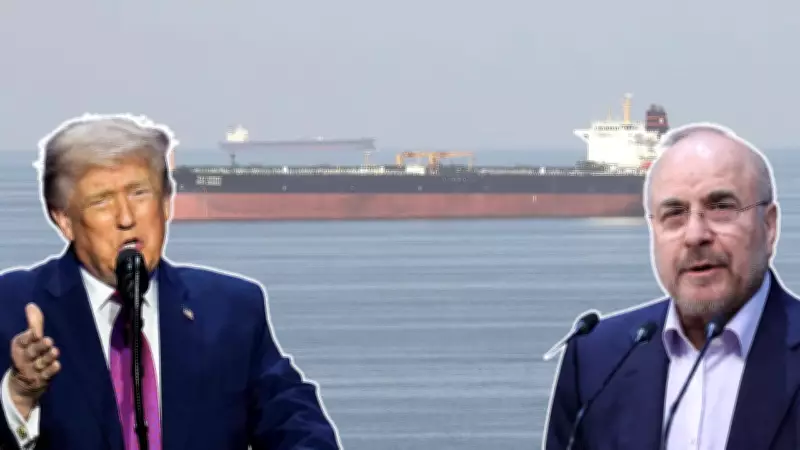
In a televised interview, Iranian official Mohammad Bagher Ghalibaf acknowledged that the discussions have yielded some limited results but emphasized that major differences persist. He stated, "On some issues, conclusions have been reached in the negotiations, and on others not; we are still far from a final agreement." In a separate address, Ghalibaf added, "We made progress in the negotiations, but there are many gaps and some fundamental points remain." These remarks underscore the deep-seated disagreements that have plagued the diplomatic efforts between the two nations.
Fragile Ceasefire Nears Expiry Amid Uncertainty
The comments arrive as a fragile two-week ceasefire between Tehran and Washington approaches its expiration on Wednesday. Mediators are actively pushing for an extension, but uncertainty looms over the prospects for a permanent agreement. Ghalibaf asserted that Iran entered the truce from a position of strength, claiming, "We were victorious in the field," and adding that the United States had failed to achieve its objectives. He further noted, "If we accepted the ceasefire, it was because they accepted our demands." This stance highlights Iran's confidence in its bargaining position despite the stalled talks.

Strait of Hormuz Closure Complicates Diplomacy
The diplomatic impasse has been exacerbated by Iran's renewed closure of the Strait of Hormuz, a vital global energy route. Tehran has announced that the passage will remain restricted unless Washington lifts its naval blockade on Iranian ports. Ghalibaf warned, "If America does not lift the blockade, traffic in the Strait of Hormuz will definitely be limited." Iranian officials have framed their control over the strait as a strategic advantage, even as the move has disrupted international shipping and heightened security risks in the region.
Security Threats and US Response
The Revolutionary Guards issued a stern warning, stating that any unauthorized transit through the strait would be treated as cooperation with the enemy. They declared, "It will be considered cooperation with the enemy, and the offending vessel will be targeted." Meanwhile, US President Donald Trump commented on the situation, saying "very good conversations" were underway but cautioned Iran against attempting to "blackmail" Washington. He emphasized, "We're taking a tough stand," reflecting the ongoing tensions and the hardline positions from both sides.
Failed Breakthroughs and Key Demands Rejected
Behind the scenes, high-level talks, including a meeting between Ghalibaf and US Vice President JD Vance in Islamabad earlier this month, have failed to produce a breakthrough. Iran has also firmly ruled out key US demands, such as transferring its stockpile of enriched uranium, labeling such proposals as a "non-starter." This rejection further complicates the path to any potential agreement, as both nations remain entrenched in their core positions.
As the ceasefire deadline approaches, the international community watches closely, with the stakes heightened by the Strait of Hormuz crisis and the unresolved nuclear issues. The lack of progress signals a challenging road ahead for diplomacy between Iran and the United States.