Iran-US Ceasefire Deadline Looms Amid Conflicting Statements and Military Buildup
The precarious ceasefire agreement between Iran and the United States is rapidly approaching its expiration deadline, with diplomatic talks held earlier this week in Islamabad failing to produce a concrete resolution. Since those discussions concluded, both nations have issued contradictory public statements regarding the potential extension of the truce, casting significant uncertainty over the immediate future of regional stability.
Pakistan's Diplomatic Intervention and Mediation Efforts
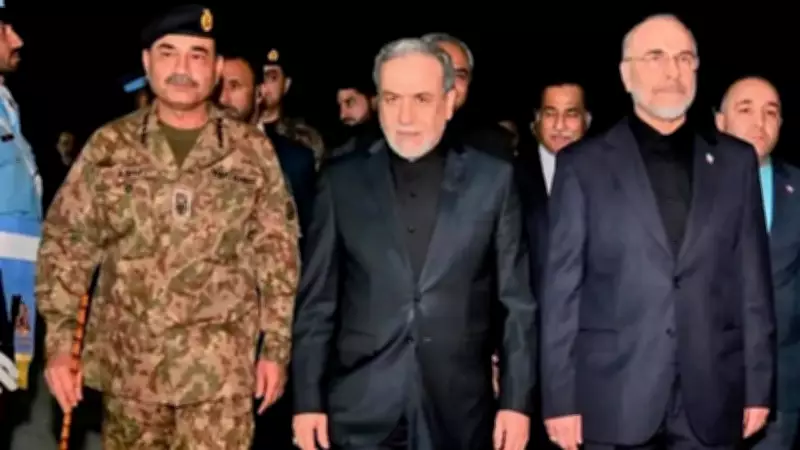
On Wednesday, a glimmer of diplomatic movement emerged as a high-level Pakistani delegation arrived in Tehran. This group, led by Pakistan's Army Chief General Asim Munir, carried a fresh communication from Washington and worked to lay the groundwork for a second round of critical negotiations. The involvement of Pakistan's military leadership underscores the powerful role its armed forces continue to play in complex international mediation efforts.
According to an official statement cited by PTI, another round of discussions between the involved parties is anticipated in the coming days. Mediators are reportedly intensifying efforts to bridge the gap on three pivotal issues that previously stalled negotiations: Iran's contentious nuclear program, security and freedom of navigation in the strategic Strait of Hormuz, and financial compensation for damages incurred during the conflict.

Escalating Rhetoric and Military Posturing
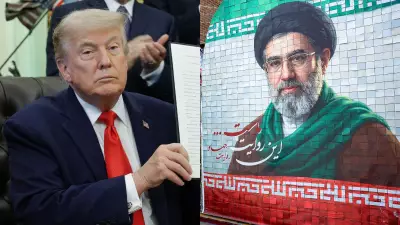
The diplomatic stalemate is accompanied by a sharp escalation in verbal exchanges and tangible military movements. A senior U.S. official confirmed that talks with Iran remain ongoing but emphasized that no final decisions have been made. Meanwhile, former U.S. President Donald Trump stated in a recent interview that the war was "very close to over" and announced intentions to reopen the Strait of Hormuz.
In a stark counterpoint, Iranian state media broadcast a warning from a senior military commander, threatening a complete halt to all maritime trade across the Persian Gulf, the Sea of Oman, and the Red Sea if the United States does not lift its blockade on Iranian ports. This statement highlights the severe economic and strategic stakes involved.
Iranian Foreign Ministry spokesman Esmail Baghaei indicated a degree of flexibility, stating Iran is open to discussions concerning the type and level of uranium enrichment. However, he firmly added that the nation "based on its needs, must be able to continue enrichment," asserting Iran's rights under international nuclear agreements.
Substantial U.S. Military Reinforcement in the Region
The tension extends far beyond mere words. Recent reports confirm the United States is mobilizing approximately 10,000 additional troops to the already volatile region. This significant deployment includes around 6,000 personnel aboard the USS George H.W. Bush and its accompanying carrier strike group, which is currently navigating around the African continent en route to the Middle Eastern theater.
This military buildup represents a clear signal of preparedness and serves as a powerful backdrop to the fragile diplomatic proceedings. The combination of unresolved core issues, conflicting public positions, and increased military presence creates a highly unstable and unpredictable situation as the ceasefire deadline draws near.