Iran Reopens Strategic Strait of Hormuz, Trump Expresses Gratitude
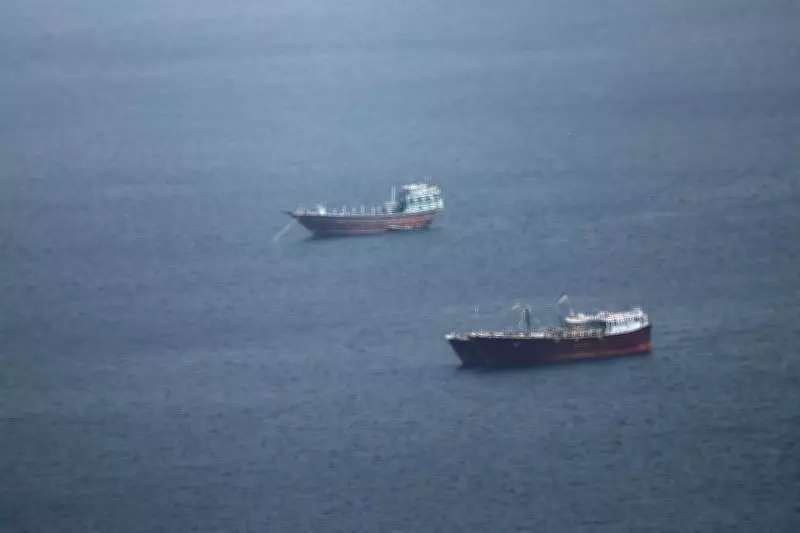
In a significant development for global maritime trade, Iran has officially reopened the Strait of Hormuz, a vital waterway that serves as a crucial chokepoint for international oil shipments. This move comes after a period of heightened tensions and restrictions in the region, which had raised concerns about disruptions to energy supplies worldwide.
Strategic Importance of the Strait
The Strait of Hormuz is one of the world's most strategically important maritime passages, located between the Persian Gulf and the Gulf of Oman. It is estimated that approximately one-fifth of the global oil supply, or around 21 million barrels per day, transits through this narrow waterway. The reopening is expected to ease logistical bottlenecks and stabilize oil markets, which have been volatile due to geopolitical uncertainties.
Iran's decision to open the strait is seen as a gesture aimed at de-escalating regional tensions and facilitating smoother international commerce. Authorities in Tehran have emphasized their commitment to maintaining safe and secure navigation for all vessels, in compliance with international maritime laws.

Trump's Public Response
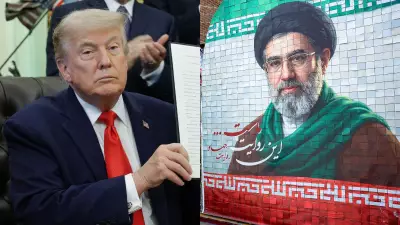
Former United States President Donald Trump responded to Iran's action with a public statement, saying, "Thank you" to the Iranian government. This acknowledgment marks a notable moment in US-Iran relations, which have been strained over issues such as nuclear agreements and regional conflicts. Trump's comment is interpreted by analysts as a diplomatic overture, potentially signaling a shift towards more cooperative interactions between the two nations.
Observers note that this exchange could pave the way for future dialogues or negotiations, although the broader geopolitical landscape remains complex. The response has sparked discussions about the evolving dynamics in Middle Eastern diplomacy and the role of key global players in ensuring stability.
Global Implications and Reactions
The reopening of the Strait of Hormuz is likely to have far-reaching effects on the global economy, particularly in the energy sector. Key stakeholders, including oil-importing nations and shipping companies, have welcomed the move, anticipating reduced transit times and lower insurance costs for vessels.
- Enhanced security measures are being implemented to prevent any future disruptions.
- International bodies are monitoring the situation to ensure compliance with safety protocols.
- Market analysts predict a stabilization in oil prices following this development.
In summary, Iran's decision to reopen the Strait of Hormuz, coupled with Donald Trump's appreciative response, highlights a pivotal moment in international relations. This event underscores the interconnectedness of global trade and diplomacy, with potential implications for peace and economic stability in the region and beyond.