Women's Reservation Bill Fails to Clear Lok Sabha Hurdle
The much-anticipated Constitution Amendment Bill aimed at revising the women's quota in legislative bodies has been defeated in the Lok Sabha. The National Democratic Alliance (NDA) government, despite a strong push, fell short of the crucial two-thirds majority required for such constitutional amendments.
Vote Tally Reveals Political Divide
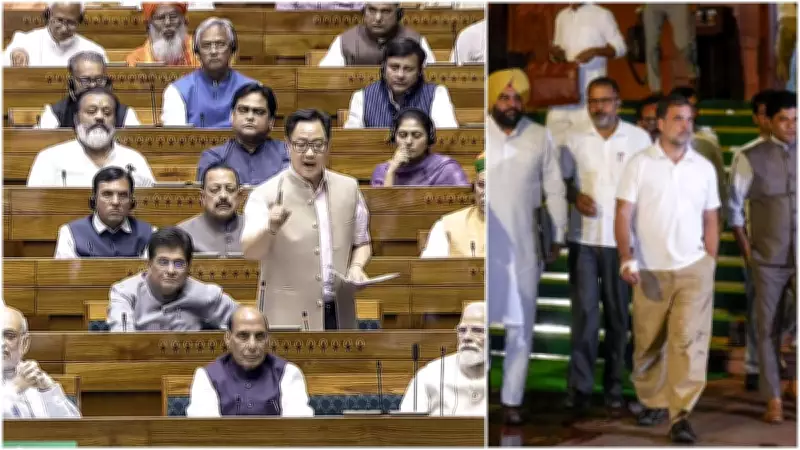
In a closely watched parliamentary session, the NDA managed to gather 298 votes in support of the Bill. However, this was insufficient to meet the constitutional threshold. The Opposition, presenting a united front, pooled together 230 votes against the proposed legislation. The failure underscores the deep political divisions on this sensitive issue.
Implications for Women's Representation
This Bill sought to tweak the existing framework for women's reservation in Parliament and state legislatures. Its defeat means that the current provisions remain unchanged, potentially delaying efforts to enhance female political participation. The debate highlighted concerns over delimitation processes and quota implementation timelines.

The outcome is seen as a significant setback for gender parity advocates, who have long campaigned for increased women's representation in Indian politics. Proponents argue that such measures are essential for inclusive governance, while critics have raised questions about the Bill's specifics and electoral impacts.
Political Reactions and Future Prospects
Following the vote, political analysts noted that the NDA's inability to secure cross-party support proved decisive. The government had hoped to leverage its parliamentary strength, but opposition unity thwarted these efforts. This episode may influence upcoming political strategies and coalition dynamics.
Looking ahead, the failure of this Bill could reignite discussions on alternative approaches to women's empowerment in politics. Stakeholders are likely to reassess negotiation tactics and legislative drafting to build broader consensus in future sessions.