Iran Denies Toll Charges, Vows Navigation Aid for Indian Ships in Hormuz Strait
Iran has declared it maintains "good contact" with India regarding the passage of ships through the strategically vital Strait of Hormuz and is committed to assisting New Delhi with navigation in the region. The Iranian ambassador to India, Mohammad Fathali, explicitly denied allegations that Iran has been charging tolls for Indian tankers transiting through this critical waterway.
Strong Bilateral Ties Amid Challenging Times
In a recent press briefing, Ambassador Fathali emphasized the robust relationship between Iran and India, stating that the two nations "share the same fate and interests." He highlighted, "In this difficult time, we have good relations. We believe Iran and India share common interests and a common fate." This statement underscores the diplomatic solidarity between the countries despite escalating regional tensions.
Clarification on Toll Charges
Fathali firmly refuted claims that Iran has imposed fees on Indian vessels for passage through the Strait of Hormuz, a denial that comes in the wake of US President Donald Trump's vow to block passage for ships making payments to Iran. The ambassador challenged skeptics by saying, "You can ask the Indian government if we have charged anything up to now." This assertion aligns with New Delhi's own repeated denials of ever paying tolls for the transit of its nine ships through the waterway.

Navigation Assistance and Oil Trade
Detailing Iran's supportive stance, Fathali announced that Iran is prepared to help India navigate the passage of tankers through the Strait of Hormuz. He further stated, "Iran has oil and is ready to sell to any country that wants it," signaling Iran's openness to continue oil trade with India and other nations. This is particularly significant as approximately half of India's crude oil and liquefied petroleum gas (LPG) supplies traverse the Strait of Hormuz.
Recent Developments and US Blockade Threats
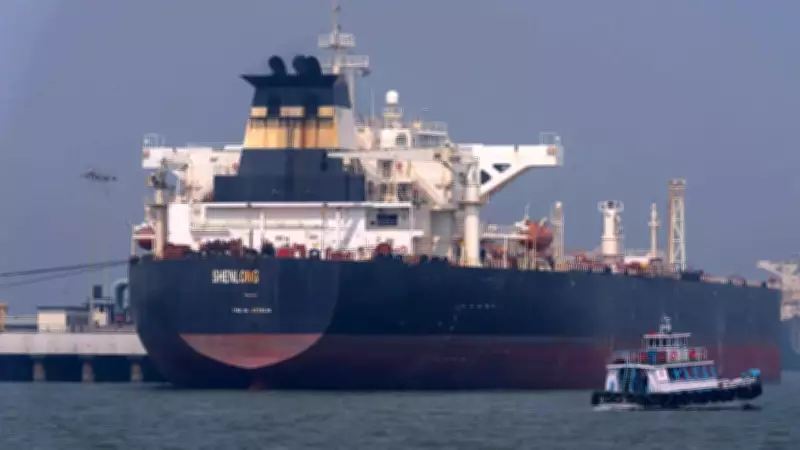
The diplomatic exchanges occur against a backdrop of heightened tensions. Recently, New Delhi received its first shipment of Iranian oil in seven years, facilitated by a temporary waiver from the United States on oil purchases from Tehran. According to Reuters ship tracking data, two very large crude carriers loaded with Iranian oil have arrived at Indian ports.
These developments follow President Trump's announcement that the United States would initiate a blockade of all Iranian Gulf ports, with a deadline that has since passed. Trump warned that any Iranian ship approaching the blockade would be "immediately eliminated," using methods akin to those employed against drug dealers at sea. However, the US stated that other ships would not face restrictions under this announcement.
Impact on Indian Shipping
Currently, India has secured nine LPG tankers since Iran imposed restrictions on tanker passage, while 15 India-flagged ships remain stranded in the Persian Gulf. This situation highlights the ongoing challenges in maritime logistics and the importance of Iran's offer of navigation aid to ensure the smooth transit of Indian vessels through the volatile region.
The reaffirmation of strong Iran-India ties and Iran's denial of toll charges aim to bolster bilateral cooperation and ensure the continuity of trade routes essential for India's energy security.