

India's Foreign Secretary Vikram Misri Addresses Critical Strait of Hormuz Security Summit
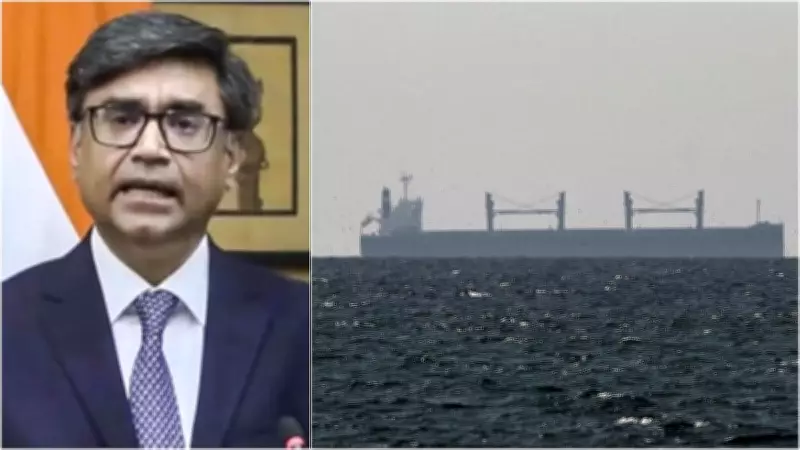
In a significant diplomatic engagement, Foreign Secretary Vikram Misri represented India at a high-level, UK-led international summit convened to discuss strategies for reopening and securing the Strait of Hormuz. The meeting, held virtually, brought together key global stakeholders to address the escalating crisis in West Asia and its profound implications for international maritime trade.
Virtual Participation Highlights India's Proactive Diplomacy
Joining the summit via video conference, Misri delivered a comprehensive statement outlining New Delhi's official position on the urgent need to safeguard international shipping lanes in the strategically vital region. His participation underscores India's active and committed role in global efforts to maintain stability and ensure the free flow of commerce through one of the world's most crucial maritime chokepoints.
Emphasis on Safety and Security of Global Shipping Routes
During his address, the Foreign Secretary emphasized that the security of the Strait of Hormuz is paramount for global economic stability. He articulated India's deep concerns regarding any disruptions that could jeopardize energy supplies and trade routes, which are essential not only for India but for the entire international community. Misri reiterated India's long-standing principle of supporting peaceful resolution of conflicts and adherence to international law to protect navigational freedoms.

The UK-led initiative aims to foster multilateral cooperation to de-escalate tensions and implement practical measures for reopening the strait, which has been a flashpoint in regional conflicts. India's involvement signals its growing diplomatic clout and its vested interest in ensuring that critical sea lanes remain open and secure for unimpeded maritime traffic.
Broader Implications for International Trade and Diplomacy
This summit comes amid heightened geopolitical tensions in West Asia, where the Strait of Hormuz serves as a gateway for approximately one-fifth of the world's oil shipments. The discussions focused on:
- Coordinated international patrols and surveillance mechanisms.
- Diplomatic channels to reduce regional hostilities.
- Emergency response protocols for maritime incidents.
- Economic impacts of prolonged closures on global markets.
India's articulation of its stance at this forum reinforces its position as a responsible global power dedicated to collective security and economic resilience. The virtual format of the meeting, necessitated by ongoing crises, highlights the adaptability of modern diplomacy in addressing urgent international challenges.






