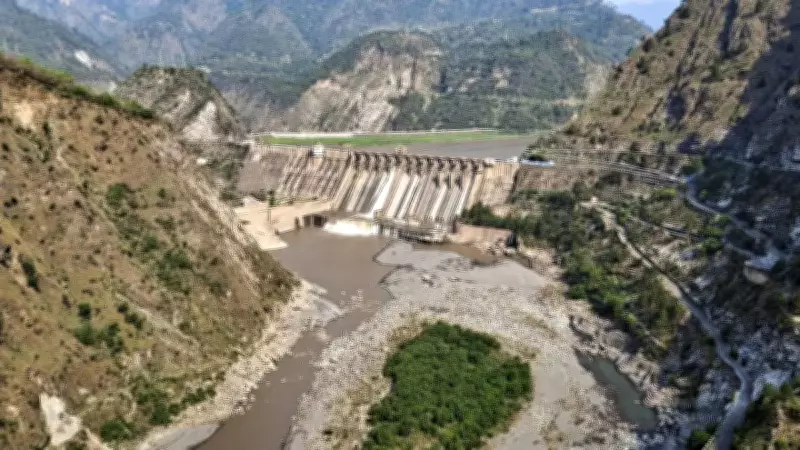
India's Shahpur Kandi Dam to Curtail Ravi River Flow to Pakistan from 2026
In a significant development under the Indus Waters Treaty, India is set to complete the Shahpur Kandi Dam project, which will substantially reduce the flow of the Ravi River into Pakistan starting in 2026. This move represents a fresh blow to Pakistan's water resources, as India exercises its rights to utilize the river's waters more fully for irrigation and hydropower generation within its territory.
Strategic Implications of the Shahpur Kandi Dam
The Shahpur Kandi Dam, located in Punjab's Pathankot district, is a key infrastructure project that will enable India to harness a greater share of the Ravi River's waters. Under the 1960 Indus Waters Treaty, India has control over the eastern rivers—Ravi, Beas, and Sutlej—while Pakistan controls the western rivers. The dam's completion will allow India to divert water for agricultural and energy purposes, thereby cutting the flow that currently reaches Pakistan.
This development is expected to impact Pakistan's agriculture and water supply, particularly in the Punjab region, which relies on the Ravi for irrigation. Experts note that the move is part of India's broader strategy to optimize water usage under the treaty, which has been a point of contention between the two nations for decades.

Background and Treaty Context
The Indus Waters Treaty, brokered by the World Bank, allocates the waters of the Indus River system between India and Pakistan. India has the right to use the waters of the eastern rivers, including the Ravi, for non-consumptive uses like hydropower and limited irrigation. The Shahpur Kandi Dam project aligns with these provisions, as it aims to store and utilize water that would otherwise flow into Pakistan.
Pakistan has previously raised concerns over India's water projects, alleging violations of the treaty, but India maintains that its actions are within the legal framework. The completion of this dam is seen as a step towards India fully exercising its rights, potentially leading to diplomatic tensions and discussions at international forums.
Project Details and Timeline
The Shahpur Kandi Dam project, which has faced delays in the past, is now on track for completion by 2026. Key features include:
- Storage capacity to hold water for irrigation in Jammu and Kashmir and Punjab.
- Hydropower generation capabilities to support regional energy needs.
- Enhanced water management for agricultural productivity in northern India.
Once operational, the dam is projected to reduce the Ravi River's flow into Pakistan by a significant margin, though exact figures depend on seasonal variations and water usage patterns. This reduction could exacerbate water scarcity issues in Pakistan, where the Ravi is a vital source for farming and drinking water.
Regional and Global Reactions
The move has drawn attention from regional observers and international bodies, given its potential impact on bilateral relations and water security in South Asia. While India views it as a legitimate exercise of treaty rights, Pakistan may seek mediation or raise the issue in diplomatic channels. The World Bank, as the treaty's guarantor, might play a role in facilitating discussions to ensure compliance and address concerns.
In summary, the Shahpur Kandi Dam's completion marks a pivotal moment in India-Pakistan water relations, with far-reaching implications for agriculture, diplomacy, and regional stability. As 2026 approaches, stakeholders will closely monitor the implementation and its effects on the ground.