Ramadan 2026: A Complete Guide to Fasting Rules and Practices
As Ramadan 2026 approaches, Muslims worldwide prepare for a month of spiritual reflection, prayer, and fasting from dawn to dusk. This holy period, expected to begin around February 18, 2026, based on lunar sightings, requires adherence to specific rules and traditions to ensure its observance is both meaningful and correct. Understanding the dos and don'ts, especially during Sehri (pre-dawn meal) and Iftar (evening meal), is crucial for a successful and rewarding Ramadan experience.
Essential Dos for Ramadan 2026 Fasting
To maximize the spiritual benefits of Ramadan, followers should focus on key practices that enhance devotion and well-being. These include:
- Intention (Niyyah): Make a sincere intention to fast each day before dawn, as this is a fundamental requirement for the fast to be valid.
- Sehri Timing: Consume the pre-dawn meal (Sehri) before Fajr prayer, ensuring it provides sustained energy and hydration throughout the day.
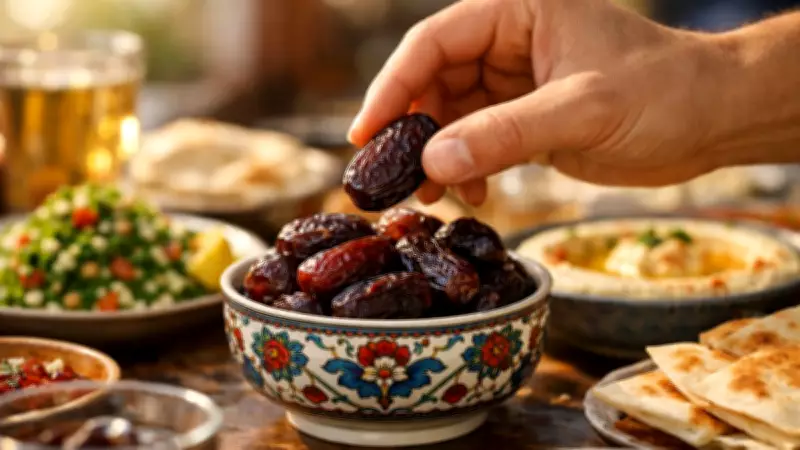
- Iftar Etiquette: Break the fast promptly at sunset with dates and water, following the Sunnah of Prophet Muhammad, before proceeding to a balanced meal.
- Increased Worship: Engage in extra prayers, Quran recitation, and charitable acts to deepen spiritual connection during this blessed month.
- Hydration and Nutrition: Drink plenty of water during non-fasting hours and opt for nutrient-rich foods to maintain health and stamina.
Common Mistakes and Don'ts to Avoid
Many individuals inadvertently make errors that can diminish the effectiveness of their fast. Being aware of these pitfalls helps ensure a proper observance:

- Overeating at Iftar: Avoid consuming large, heavy meals immediately after breaking the fast, as this can lead to digestive issues and reduce spiritual focus.
- Neglecting Sehri: Skipping the pre-dawn meal is a common mistake that can cause fatigue and dehydration; it's recommended to have a light, nutritious Sehri.
- Invalidating Acts: Refrain from actions that break the fast, such as eating, drinking, smoking, or engaging in marital relations intentionally during daylight hours.
- Excessive Sleep or Laziness: While rest is important, spending too much time sleeping or being inactive can detract from the spiritual and communal aspects of Ramadan.
- Ignoring Health Concerns: Those with medical conditions should consult healthcare providers before fasting to avoid health risks, as exemptions exist for the ill, elderly, pregnant, or traveling.
Detailed Rules for Sehri and Iftar in Ramadan 2026
Sehri and Iftar are pivotal moments in the daily fasting routine, each with specific guidelines to follow:
- Sehri Guidelines: The pre-dawn meal should be completed before the Fajr prayer time, which varies by location. It's advisable to include complex carbohydrates, proteins, and fluids to sustain energy. Common foods include whole grains, fruits, and dairy products.
- Iftar Guidelines: Breaking the fast should occur at Maghrib prayer time, starting with dates and water as per tradition. The subsequent meal should be balanced, incorporating vegetables, lean proteins, and hydrating beverages to replenish nutrients.
- Fasting Duration: Fasting lasts from dawn (Fajr) to sunset (Maghrib), typically around 12-14 hours in many regions during February 2026, depending on geographic location.
- Spiritual Emphasis: Beyond physical abstinence, Ramadan emphasizes self-discipline, empathy for the less fortunate, and increased devotion through Taraweeh prayers and Quranic reflection.
By adhering to these rules and avoiding common errors, Muslims can ensure a spiritually enriching and healthy Ramadan 2026. Planning ahead, staying informed about local prayer times, and prioritizing both physical and spiritual well-being are key to a successful fasting experience. As the community comes together in worship and reflection, this guide serves as a valuable resource for navigating the holy month with confidence and devotion.