The Unfathomable Depths of Grief: A Widow's Harrowing Journey
This is not merely a news report; it is a profound exploration of human sorrow and the terrifying ways loss can reshape reality. When a loved one dies unexpectedly, the very fabric of existence can unravel in an instant, leaving behind a void that seems impossible to fill. Such was the case for Cassie, a 26-year-old woman whose world shattered when her husband, Sean, passed away suddenly years ago. While the incident occurred in the past, the emotional resonance of her love story and subsequent grief remains eternally poignant, as detailed in a report from India Today NE that has left readers worldwide in shock.
A Dream Life Torn Apart
Cassie and Sean, residents of a small town in Tennessee, shared a love that blossomed quickly. After dating for just ten months, they decided to marry, embarking on what appeared to be a perfect, dreamy life together. However, tragedy struck without warning when Sean suffered a sudden asthma attack one night, leading to acute lung failure. In a moment, he transitioned from being healthy, communicative, and affectionate to gone forever—no alarms, no ambulance, just an abrupt and silent end.
For friends and family, the loss was shocking, but for Cassie, it felt like the end of her world. As days turned into weeks, she sank deeper into emotional turmoil, ceasing to sleep, eat, or engage in any normal activities. Though her heart continued to beat, she described feeling as if it had died the moment Sean left her side.

From Mourning to Obsession
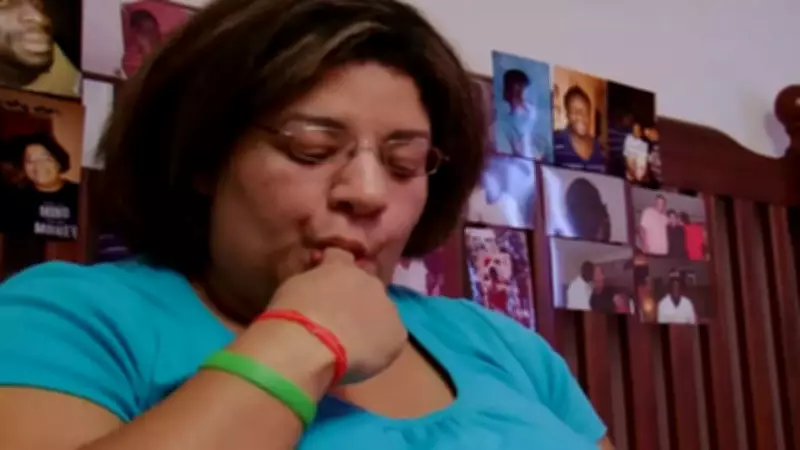
Two months after Sean's death, Cassie's grief took a tangible form. She began carrying his ashes everywhere—from grocery stores and movie theaters to her bed at night—clutching the urn as a desperate attempt to keep him close. She would converse with it as if speaking to Sean himself, sharing details of her day and preparing meals exactly as he liked them, treating the urn as a surrogate for her husband.
Then, a bizarre incident altered her coping mechanism from mournful to obsessive. While transferring Sean's remains from a temporary cardboard container into a new urn, some ashes spilled onto her fingers. Instead of wiping them away, Cassie instinctively licked them off, explaining later, "I didn't want to wipe them off because that's my husband, I didn't want to wipe him away. So, I just licked it off my fingers and... I can't stop." This act of panic, born from profound loss, marked the beginning of a compulsive behavior.
The Descent into Addiction
What started as a single gesture soon evolved into a full-blown addiction. Cassie began dipping her fingers into the urn multiple times daily, consuming the ashes like a favorite snack. She described the taste as reminiscent of "rotten eggs, sand, and sandpaper," yet she persisted, reframing her actions not as eating dust but as consuming her husband. "I'm eating him, I am eating my husband," she confessed to producers of TLC's show My Strange Addiction.
As her behavior intensified, Cassie's health deteriorated. She started losing weight, often eating nothing but Sean's ashes for days on end. Friends distanced themselves, and she neglected self-care, with her entire routine revolving around consuming the ashes five or more times daily. In her mind, this ritual brought her closer to Sean, though to outsiders, it appeared disturbing and unsettling—almost like a horror story come to life.
Medical and Therapeutic Interventions
Therapists and medical professionals intervened, warning Cassie about potential chemicals and toxins in human cremains. At times, she expressed fear of depleting the ashes, worrying about what would become of her if none remained. Ultimately, the show's producers convinced her to enter an inpatient care facility, where she was placed under constant supervision and gradually separated from the urn.

Reflections on Human Coping Mechanisms
Cassie's story is undeniably disturbing, yet it unveils the raw, unfiltered side of human grief. While we may never fully comprehend why she engaged in such extreme behavior, her experience serves as a stark reminder that mourning is an intrinsic part of the human condition. However, when grief crosses certain boundaries, it can distort reality, manipulate the mind, and plunge individuals into darkness. This narrative underscores the importance of mental health support and the complex ways people navigate loss.