Indian Navy Mobilizes Rapid Response to Aid Iranian Warship IRIS Dena After Torpedo Attack
In a significant display of international maritime cooperation, the Indian Navy has promptly deployed assistance to the Iranian warship IRIS Dena following a torpedo strike in the Arabian Sea. This incident underscores the volatile security environment in key shipping lanes and highlights India's proactive role in ensuring regional stability.
Details of the Incident and Immediate Response
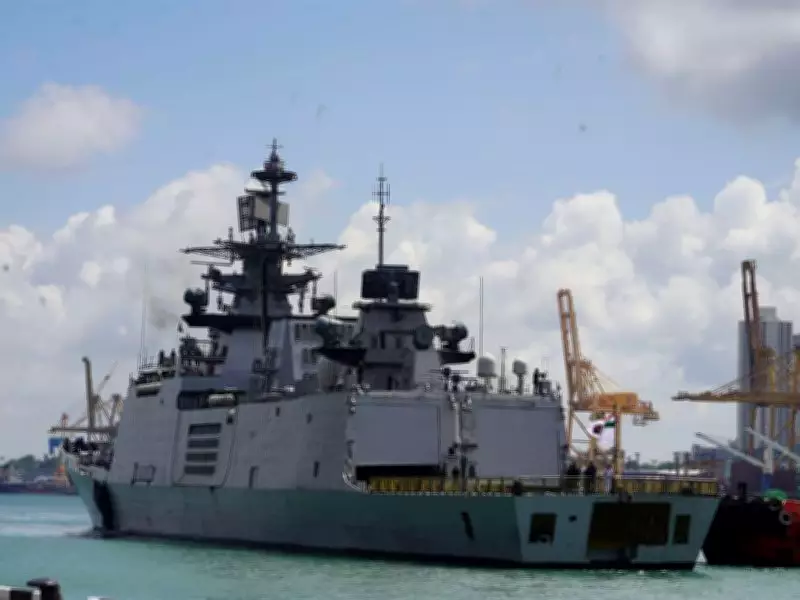
The Iranian warship IRIS Dena was reportedly hit by a torpedo while operating in the Arabian Sea, a critical waterway for global trade and energy transport. Upon receiving distress signals, the Indian Navy immediately activated its maritime surveillance and response mechanisms. Naval assets, including ships and aircraft, were swiftly mobilized to provide necessary aid, such as medical support, technical assistance, and logistical supplies, to the affected vessel.
This rapid deployment reflects the Indian Navy's operational readiness and its commitment to upholding safety protocols in international waters. The Arabian Sea has witnessed increased tensions in recent years, with various incidents involving naval forces and commercial shipping, making such responses crucial for preventing escalation and ensuring the security of maritime routes.

Strategic Implications and Diplomatic Context
The assistance provided by the Indian Navy to the Iranian warship carries significant strategic and diplomatic weight. India and Iran share longstanding ties, particularly in areas like energy trade and regional security, with the Chabahar Port project being a key example of their collaboration. By extending aid in this crisis, India reinforces its position as a reliable partner in the Indian Ocean Region, capable of responding to emergencies and fostering goodwill among neighboring nations.
This move also aligns with India's broader foreign policy objectives of promoting peace and stability in the region, especially amid ongoing geopolitical challenges. The Arabian Sea is a hotspot for naval activities, and incidents like this torpedo hit highlight the need for enhanced cooperation among regional navies to address threats such as piracy, terrorism, and military confrontations.
Operational Aspects and Future Preparedness
The Indian Navy's response involved coordinated efforts across multiple units, leveraging advanced technology and real-time intelligence to assess the situation and deliver aid efficiently. Key operational steps included:
- Deploying naval vessels equipped with medical and repair facilities to the location of the incident.
- Utilizing aerial surveillance to monitor the area and ensure the safety of the Iranian warship and surrounding vessels.
- Establishing communication channels with Iranian authorities to facilitate seamless assistance and information sharing.
This incident serves as a reminder of the importance of continuous training and modernization for naval forces. The Indian Navy has been investing in upgrading its fleet and enhancing interoperability with other nations to better handle such emergencies. Future preparedness may involve joint exercises and intelligence-sharing agreements to mitigate risks in the Arabian Sea and beyond.
Conclusion: A Testament to Maritime Solidarity
The Indian Navy's swift aid to the Iranian warship IRIS Dena after the torpedo hit exemplifies the spirit of maritime solidarity and India's growing role as a security provider in the Indian Ocean. As global shipping lanes face increasing threats, such collaborative efforts are essential for maintaining open seas and fostering international trust. This response not only addresses an immediate crisis but also sets a positive precedent for future naval engagements in the region.