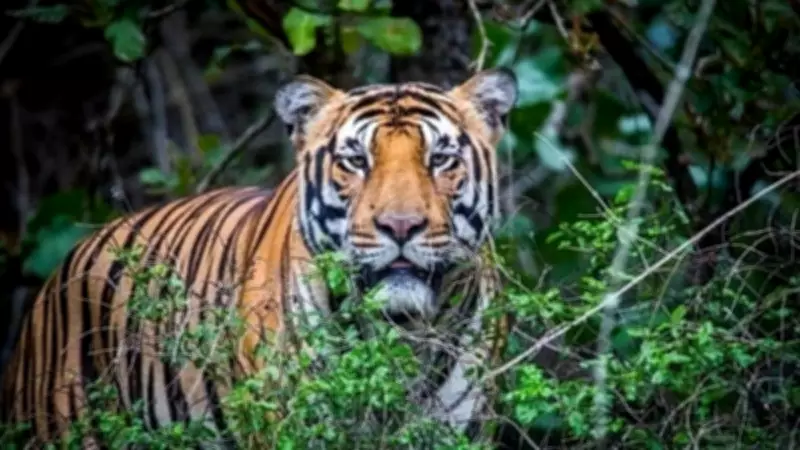
The reintroduction of tigers into eastern Indian forests will begin with Buxa Tiger Reserve in North Bengal, according to a report published on 28 June 2026. The programme, which involves translocating tigers from other states, will subsequently extend to two additional parks in the region.
Reintroduction Plan Details
The initiative is part of a broader effort to restore tiger populations in areas where they have become locally extinct or severely depleted. Buxa Tiger Reserve, located in the Alipurduar district of West Bengal, has been selected as the first site due to its suitable habitat and prey base. The reserve, spanning over 760 square kilometres, was once home to a significant number of tigers but has seen a decline in recent years.
According to officials, tigers will be sourced from states with healthy populations, such as Madhya Pradesh, Maharashtra, or Karnataka. The exact number of tigers to be translocated has not been finalized, but the plan aims to establish a viable population over the next few years.

Selection of Additional Parks
Following Buxa, the programme will cover two other protected areas in eastern India. While the names of these parks have not been officially disclosed, sources indicate they are likely to be located in Odisha or Assam, where tiger numbers have also dwindled. The selection criteria include habitat quality, prey availability, and the capacity for effective protection against poaching.
Impact on Local Ecosystem and Tourism
The reintroduction is expected to boost biodiversity and ecotourism in the region. Tigers, as apex predators, help maintain the balance of the ecosystem by controlling herbivore populations. Local communities may benefit from increased tourism revenue, though authorities emphasize the need for conflict mitigation measures to prevent human-wildlife interactions.
Environmentalists have welcomed the move but caution that success depends on rigorous monitoring, anti-poaching efforts, and habitat restoration. "The reintroduction is a positive step, but it must be accompanied by strong protection measures and community engagement," said a wildlife expert familiar with the project.
Challenges and Timeline
Challenges include ensuring genetic diversity, minimizing stress during translocation, and securing adequate funding. The programme is expected to unfold over several years, with the first translocations likely within the next 12 to 18 months. The National Tiger Conservation Authority (NTCA) will oversee the process, coordinating with state forest departments.
India's tiger population has shown an overall increase in recent years, with the 2022 census estimating 3,682 tigers nationwide. However, eastern forests have lagged behind, making this reintroduction crucial for regional conservation goals.