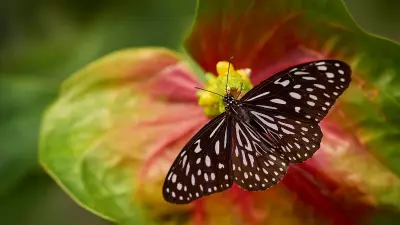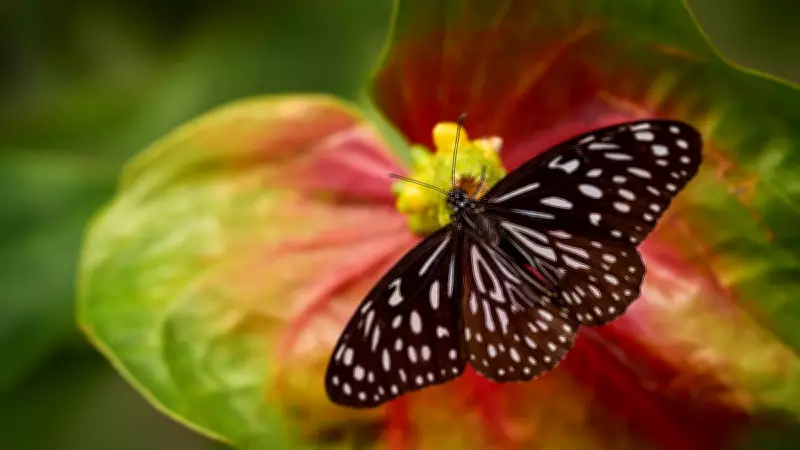
Every June, Bengaluru becomes a ringside spectator to one of nature's most enchanting spectacles: the mass migration of milkweed butterflies. These delicate insects, known for their striking orange, black, and white patterns, embark on a biannual journey across the Indian peninsula, covering hundreds of kilometers. The phenomenon, driven by seasonal changes and the need to find suitable breeding grounds, offers a unique opportunity for city dwellers to witness the wanderlust of these winged travelers.
The Great Migration: A Natural Marvel
Milkweed butterflies, belonging to the subfamily Danainae, are renowned for their long-distance migrations. In India, the most prominent species include the monarch butterfly (Danaus plexippus), the blue tiger (Tirumala limniace), and the common crow (Euploea core). According to butterfly experts, these insects migrate from the Western Ghats to the Eastern Ghats between June and July, and then return between October and November. The migration is triggered by the onset of the monsoon, which brings abundant food and breeding sites.
During the peak of the migration, thousands of butterflies can be seen flying in a steady direction, often at tree-top level. In Bengaluru, areas like the Nandi Hills, Bannerghatta National Park, and even urban gardens become hotspots for sightings. "It's a breathtaking sight," says Dr. Krushnamegh Kunte, a lepidopterist at the National Centre for Biological Sciences (NCBS) in Bengaluru. "These butterflies navigate using a combination of the sun's position and the Earth's magnetic field, much like migratory birds."

Why Do They Migrate?
The primary driver of the milkweed butterfly migration is the search for host plants. Milkweed butterflies lay their eggs exclusively on milkweed plants (Asclepiadaceae), which contain toxic chemicals that make the caterpillars and adults distasteful to predators. During the monsoon, the Western Ghats receive heavy rainfall, which can wash away eggs and larvae. To avoid this, the butterflies move to the drier Eastern Ghats, where milkweed plants thrive in the post-monsoon conditions.
Another factor is temperature regulation. Butterflies are cold-blooded and require a certain temperature range to remain active. The migration allows them to escape extreme weather and find optimal conditions for breeding. "The migration is a survival strategy," explains Dr. Kunte. "It ensures that the next generation has the best chance of survival."
Bengaluru's Role in the Migration
Bengaluru, located in the rain shadow of the Western Ghats, serves as a crucial corridor for the migrating butterflies. The city's green spaces, including parks, botanical gardens, and even roadside trees, provide rest stops and nectar sources. Citizen science initiatives, such as the "Butterfly Monitoring Scheme" by the Indian Foundation for Butterflies, encourage residents to record sightings and contribute to research.
In 2025, a record number of milkweed butterflies were observed in Bengaluru, with estimates suggesting over 10,000 individuals passing through the city in a single week. "The data collected by volunteers is invaluable," says Dr. Kunte. "It helps us understand migration patterns and the impact of climate change on these insects."
Conservation Concerns
Despite the resilience of milkweed butterflies, their migration faces threats from habitat loss, pesticide use, and climate change. Urbanization in Bengaluru has led to the loss of green cover, reducing the availability of nectar plants and host plants. "We need to protect and restore butterfly habitats," emphasizes Dr. Kunte. "Planting native milkweed species and reducing pesticide use can make a big difference."
The migration also highlights the interconnectedness of ecosystems. The Western Ghats, a UNESCO World Heritage site, is a biodiversity hotspot that supports countless species. Conservation efforts in the region are critical for the survival of migratory butterflies and other wildlife.

How to Witness the Migration
For those eager to see the migration, the best time is early morning, when butterflies are most active after warming up in the sun. Look for them in open areas with flowering plants, such as lantana, pagoda flower, and milkweed itself. Binoculars and a field guide can enhance the experience. The migration typically peaks in late June, so plan a visit to a nearby park or hill station.
"Watching thousands of butterflies flying in unison is a humbling experience," says Ramya Coushik, a Bengaluru-based naturalist. "It reminds us of the beauty and complexity of nature."