India Intensifies Diplomatic Outreach Amid West Asia Crisis, Iran Issues Stark Warnings
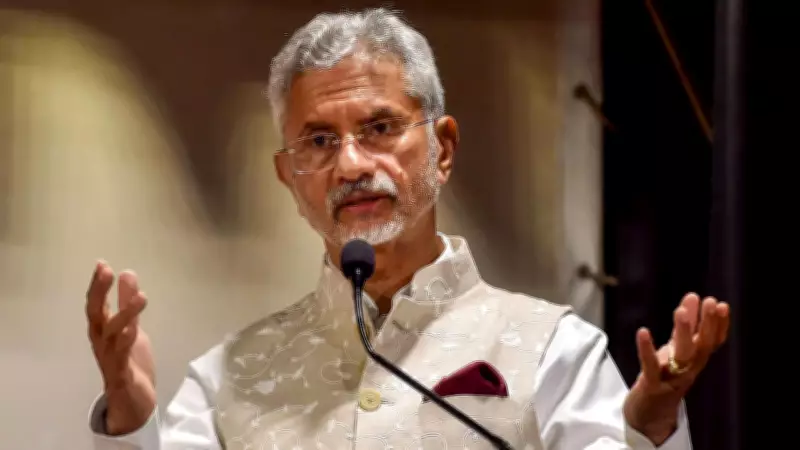
In a significant diplomatic push to address the rapidly deteriorating situation in West Asia, India's External Affairs Minister, Dr. S. Jaishankar, engaged in a series of high-level conversations on Wednesday. The minister spoke separately with his Russian counterpart, Sergey Lavrov, the European Union's foreign policy chief, Kaja Kallas, and French Foreign Minister Jean-Noel Barrot. These discussions centered on the escalating conflict between Israel and Iran, which has raised global alarm over regional stability and security.
Jaishankar's Teleconference with Russian Foreign Minister Sergey Lavrov
Following his teleconference with Foreign Minister Sergey Lavrov of Russia, EAM Jaishankar took to social media platform X to share insights. "A good telecon with foreign minister Sergey Lavrov of Russia. Shared our assessments on the West Asia conflict and related diplomatic efforts. Also took stock of our bilateral cooperation agenda," Jaishankar stated. This exchange underscores India's proactive role in fostering dialogue among key international players during times of crisis.
According to an official Russian readout released after the call, both ministers expressed strong support for the earliest possible normalisation of the Iran situation. The readout emphasized, "Emphasis was placed on supporting the contribution of SCO and BRICS towards efforts to de-escalate the situation and create conditions for achieving a sustainable settlement based on a balance of the legitimate interests of all parties." This highlights the strategic importance of multilateral forums like the Shanghai Cooperation Organization (SCO) and BRICS in mediating conflicts and promoting peace.

Parallel Conversations with EU and French Counterparts
In addition to the discussion with Russia, EAM Jaishankar held similar conversations with European Union foreign policy chief Kaja Kallas and French Foreign Minister Jean-Noel Barrot. These talks aimed at coordinating international responses and exploring avenues for de-escalation in West Asia. India's engagement with both European and Russian leaders reflects its balanced foreign policy approach, seeking to bridge divides and advocate for peaceful resolutions.
Iran's Aggressive Stance and Warnings to US Tech Firms
Amid these diplomatic efforts, Iran has made bold claims regarding its military actions in the conflict. Iranian authorities stated that they targeted an Israeli military intelligence center and a naval base, with reports of fresh explosions being heard in Dubai, adding to the tension in the region. Furthermore, Iran issued a stark warning to several major US technology companies, including Google, Amazon, Microsoft, and Nvidia, labeling them as "legitimate targets" in the ongoing geopolitical strife.
The Ministry of External Affairs (MEA) of India has also voiced strong condemnation over recent attacks, particularly highlighting an incident involving an India-bound Thai ship. In a firm statement, the MEA remarked that the loss of innocent lives in the conflict is "unacceptable," reaffirming India's commitment to humanitarian principles and the safety of global maritime routes.
Global Implications and India's Strategic Role
The West Asia crisis, often referred to as the Middle East conflict, has far-reaching implications for international security, trade, and diplomacy. India's simultaneous dialogues with Russia, the European Union, and France demonstrate its growing influence as a mediator and stakeholder in global affairs. By leveraging platforms like SCO and BRICS, India aims to foster a collaborative environment for conflict resolution, emphasizing the need for a balanced approach that respects the interests of all involved nations.
As the situation continues to evolve, the international community watches closely, with hopes that diplomatic channels will prevail over further military escalation. India's multifaceted engagement serves as a critical step towards stabilizing the region and preventing a broader conflict that could impact global peace and economy.