

India Dismisses Pakistan's Balochistan Allegations, Points to Human Rights Record
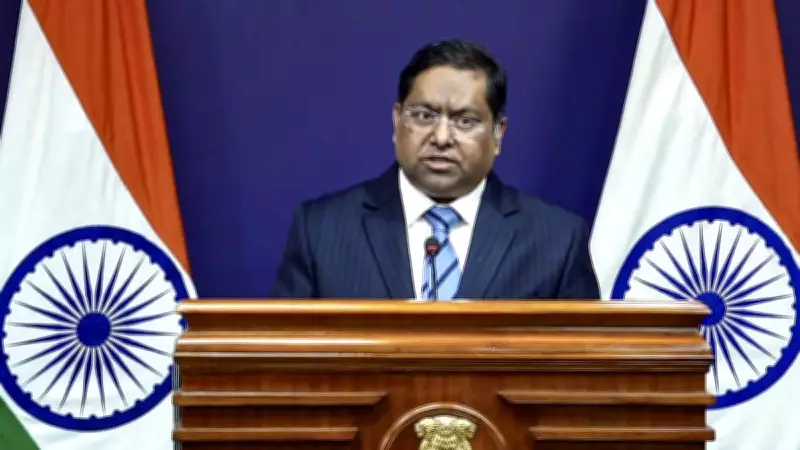
In a strong rebuttal, India has categorically rejected Pakistan's recent allegations that India is involved in disturbing peace in the Balochistan region. The response came from External Affairs Ministry spokesperson Randhir Jaiswal, who firmly trashed these charges as baseless and unfounded.
Official Statement from External Affairs Ministry
Randhir Jaiswal, addressing the media, emphasized that India has no hand in the internal affairs of Balochistan or any other region of Pakistan. He stated that such accusations are merely attempts by Pakistan to deflect attention from its own domestic challenges and governance issues.
Jaiswal further highlighted Pakistan's long-standing record of suppression, brutality, and systematic violation of human rights within its own territories. He pointed out that Pakistan has consistently failed to address the grievances of its own people, particularly in regions like Balochistan, where reports of human rights abuses have been widespread.

Context of the Allegations
Pakistan has periodically accused India of fomenting unrest in Balochistan, a resource-rich province in southwestern Pakistan that has seen a separatist movement for decades. India has consistently denied these allegations, maintaining that it respects the sovereignty and territorial integrity of all nations.
The timing of Pakistan's latest allegations, as noted by observers, coincides with increasing international scrutiny of Pakistan's human rights practices. India's response underscores its position that Pakistan should focus on addressing its internal issues rather than making unsubstantiated claims against its neighbors.
India's Stance on Regional Peace
India reiterated its commitment to peace and stability in the region, emphasizing that it seeks constructive dialogue and cooperation with all countries, including Pakistan. However, Jaiswal made it clear that India will not tolerate false narratives aimed at maligning its reputation.
The spokesperson also called on Pakistan to introspect and improve its human rights record, suggesting that this would be a more productive approach than leveling accusations against India. He referenced various international reports that have documented human rights violations in Pakistan, particularly in conflict-prone areas like Balochistan.
Implications for Bilateral Relations
This exchange highlights the ongoing tensions between India and Pakistan, two nuclear-armed neighbors with a history of strained relations. India's firm rejection of the allegations is seen as part of its broader strategy to counter Pakistan's narrative on regional issues.
Experts note that such diplomatic spats are common, but India's decision to publicly cite Pakistan's human rights record adds a new dimension to the discourse. It signals India's willingness to challenge Pakistan on multiple fronts, including governance and human rights, beyond traditional security concerns.
As of February 2026, the situation remains tense, with both countries sticking to their respective positions. India continues to advocate for a peaceful resolution of all disputes through dialogue, while maintaining its stance against unfounded allegations.






