India Engages in Critical Talks with Iran to Secure LPG Tanker Passage at Hormuz Strait
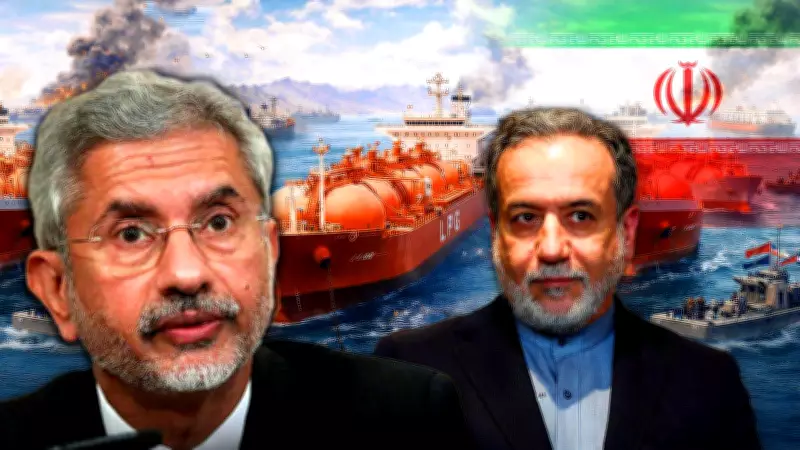
India is engaged in high-stakes diplomatic negotiations with Iran to ensure the safe passage of eight liquefied petroleum gas (LPG) tankers currently stationed near the strategically vital Strait of Hormuz. This urgent initiative comes as escalating regional tensions threaten to disrupt one of the world's most crucial energy corridors, raising alarms about potential LPG shortages and supply chain vulnerabilities in India.
Rising Concerns Over Energy Security and Supply Disruptions
Government sources have confirmed that New Delhi is racing against time to safeguard its LPG supply lines, with diplomatic efforts being spearheaded by External Affairs Minister S. Jaishankar and Iran's senior diplomat Abbas Araghchi. The primary objective is to secure unimpeded movement for the tankers and protect global energy flows through this narrow maritime chokepoint.
The timing of these negotiations is particularly critical as reports emerge of cylinder hoarding in various parts of India, indicating growing public anxiety about potential shortages. With India relying on imports to meet approximately 60 to 67 percent of its domestic LPG demand, any significant disruption along the Hormuz route could have immediate and severe consequences for both households and industries.

Strategic Importance of the Strait of Hormuz
The Strait of Hormuz represents one of the planet's most significant energy transit corridors, through which about one-fifth of the world's petroleum liquids pass annually. This narrow waterway connecting the Persian Gulf to the Gulf of Oman has long been a flashpoint for geopolitical tensions, making India's current diplomatic initiative particularly crucial for maintaining energy stability.
The negotiations underscore India's broader commitment to energy security for its 1.4 billion citizens, with the government prioritizing uninterrupted access to essential fuels despite challenging international circumstances. The successful movement of these eight tankers would not only address immediate supply concerns but also demonstrate India's diplomatic capability to navigate complex regional dynamics.
Broader Implications for Global Energy Markets
Beyond India's domestic needs, the outcome of these talks carries significant implications for global energy markets. Any prolonged disruption at the Strait of Hormuz could trigger price volatility and supply chain complications affecting numerous nations dependent on Middle Eastern energy exports.
India's proactive engagement with Iran reflects a strategic approach to energy diplomacy, balancing multiple international relationships while safeguarding national interests. As the situation continues to evolve, monitoring developments at this critical maritime passage remains essential for understanding both regional stability and global energy security.