Unveiling the Ancient Shri Bilveshwar Nath Main Temple in Meerut
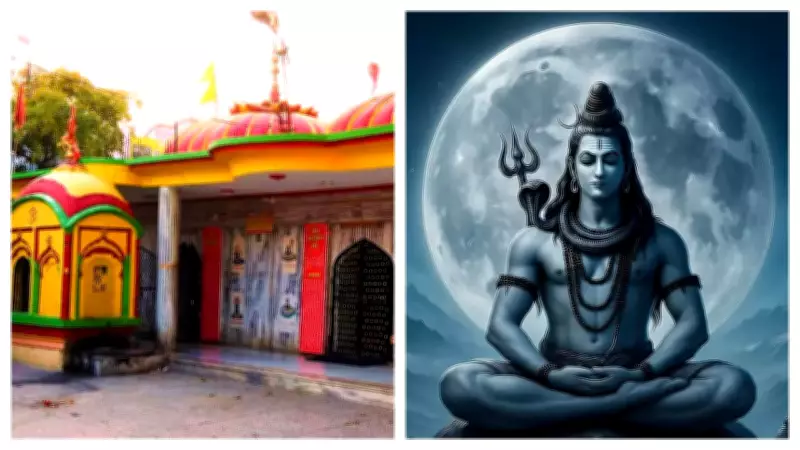
Nestled within the bustling bylanes of Meerut, Uttar Pradesh, lies a small yet profoundly significant temple that traces its origins to the era of the Ramayana. The Shri Bilveshwar Nath Main Temple is not just a place of worship but a living relic of Indian mythology, drawing millions of devotees annually, especially during the holy month of Shravan. This sacred Shiva temple is steeped in legends and historical tales that connect it directly to the epic narratives of Hindu tradition.
Traces of the Past: A Temple Rooted in Ramayana Lore
The history of the Shri Bilveshwar Nath Main Temple is deeply intertwined with one of India's greatest epics, the Ramayana. According to ancient scriptures and local beliefs, this temple dates back to the Treta Yuga, a period when the events of the Ramayana unfolded. It is famously associated with Mandodari, the wife of the demon king Ravana. Mandodari, the daughter of Mayasura, who ruled the region then known as Mayarashtra (modern-day Meerut), is said to have frequented this temple. Her daily worship of Lord Shiva here is a central part of the temple's mystical story, believed to be where dreams can turn into reality through sincere devotion.
The Divine Association: Mandodari's Devotion and Shiva's Blessing
As per Hindu mythology, the Shri Bilveshwar Nath Main Temple houses a self-manifested Shivalinga, revered as one of the oldest in the city. Legends recount that Mandodari worshipped Shiva at this temple, seeking a boon to marry the most powerful husband. Pleased by her unwavering devotion, Lord Shiva granted her wish, leading to her marriage to the mighty Asura Ravana. This divine association is documented in holy books, which mention the temple as the home of Ravana's in-laws. The temple is also noted for its role in facilitating their first meeting, adding to its rich tapestry of tales. Even today, rituals like Jalabhishek from an ancient well are performed, especially during Maha Shivratri or Sawan, with devotees believing that sincere prayers here can fulfill wishes, much like Mandodari's did millennia ago.

A Unique Tradition: 40 Days of Prayer for Wishes Fulfilled
In line with age-old beliefs, the temple maintains a special tradition that continues to attract pilgrims. It is said that if one lights a lamp and prays at this temple for 40 consecutive days, their wishes will be granted, echoing the success of Mandodari's devotion. This practice underscores the temple's reputation as a site where faith and mythology converge, offering hope and spiritual solace to countless visitors.
The Tale of Mourning: Meerut's Distinct Perspective on Ravana
Local beliefs and rituals in Meerut add a unique cultural dimension to the temple's story. Since Meerut was believed to be the kingdom of Mandodari's father, Mayasura, many residents regard Ravana as their son-in-law. This perspective sets Meerut apart from the rest of India, where Dusshera is celebrated by burning Ravana's effigies to symbolize the victory of good over evil. In contrast, some people in Meerut mourn Ravana's death, reflecting a deep-rooted connection to the mythological narratives that shape their identity. This mourning tradition highlights the temple's enduring influence on local customs and the broader cultural landscape of the region.