India Chooses Direct Diplomacy with Iran Over US-Led Naval Coalition for Strait of Hormuz Security
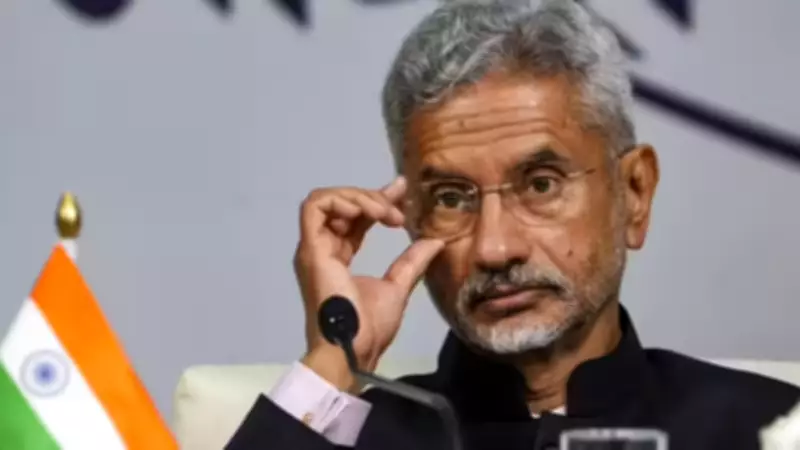
In a significant diplomatic move, India has opted for direct bilateral engagement with Iran to ensure the safe passage of its vessels through the critical Strait of Hormuz, rather than joining a US-proposed multinational naval coalition. External Affairs Minister S Jaishankar confirmed that these talks have already yielded "some results", emphasizing a pragmatic approach to maritime security in the volatile West Asia region.
MEA Denies Discussions with US on Warship Deployment
The Ministry of External Affairs (MEA) has clarified that India has not engaged in any talks with the United States or other nations regarding Washington's proposal to deploy warships for escorting vessels through this key energy route. MEA spokesperson Randhir Jaiswal stated, "We are aware of this matter being discussed by several countries. We have not yet discussed it bilaterally." This position underscores India's preference for independent diplomatic channels over collective military initiatives.
Progress and Challenges in Ship Clearance
While Iran has permitted two India-flagged ships to cross the Strait of Hormuz, a substantial backlog remains, with 22 additional Indian vessels awaiting clearance. Jaishankar, speaking from Brussels during meetings with European counterparts, highlighted that there is no blanket arrangement with Iran. He explained, "Every ship movement is an individual happening... I am now engaged in talking to them and it has yielded some results. If it is yielding results for me, I would naturally continue to look at it."

Context of US Efforts and International Reactions
India's stance comes amid calls from US President Donald Trump for a coalition of seven countries to secure the Strait, with warnings to NATO allies about a "very bad future" if they do not assist. However, nations such as Germany and the United Kingdom have shown reluctance to be drawn into a broader conflict, reflecting global apprehensions about escalating tensions.
Diplomatic Engagements and Regional Dynamics
Jaishankar's discussions in Brussels included talks with European Commission President Ursula von der Leyen, focusing on developments in West Asia and the Ukraine conflict. He advocated for reasoning and coordination with Iran, stating, "So, if that sort of allows other people to engage, I think the world is better off for it." This approach aligns with Prime Minister Narendra Modi's earlier conversation with Iranian President Masoud Pezeshkian on March 12, which stressed the safety of Indian nationals and unhindered transit of goods and energy.
India's Strategic Position and Ongoing Efforts
Despite these diplomatic efforts, India has not condemned US-Israel attacks on Iran, and its attempts as BRICS chair to forge a consensus on a joint statement regarding the conflict have yet to succeed. Jaishankar denied any exchange with Iran on the Hormuz issue being linked to other matters, such as the release of sanctioned ships, describing such reports as baseless. He emphasized that engagement is based on the longstanding relationship between India and Iran, noting, "These were still early days, and India still had many ships that were waiting to cross the Strait."
As the conflict in West Asia continues to escalate, Jaishankar's meetings with EU, German, Greek, and Cypriot counterparts highlight India's proactive role in seeking peaceful resolutions through dialogue rather than military alignment.