In a sharp diplomatic rebuttal, India has categorically rejected Pakistan's allegations regarding the treatment of minorities within its borders. The response came during a United Nations Human Rights Council session in Geneva, where India turned the spotlight back on Pakistan's own "abysmal" human rights record.
A Firm Rejection at the UN Forum
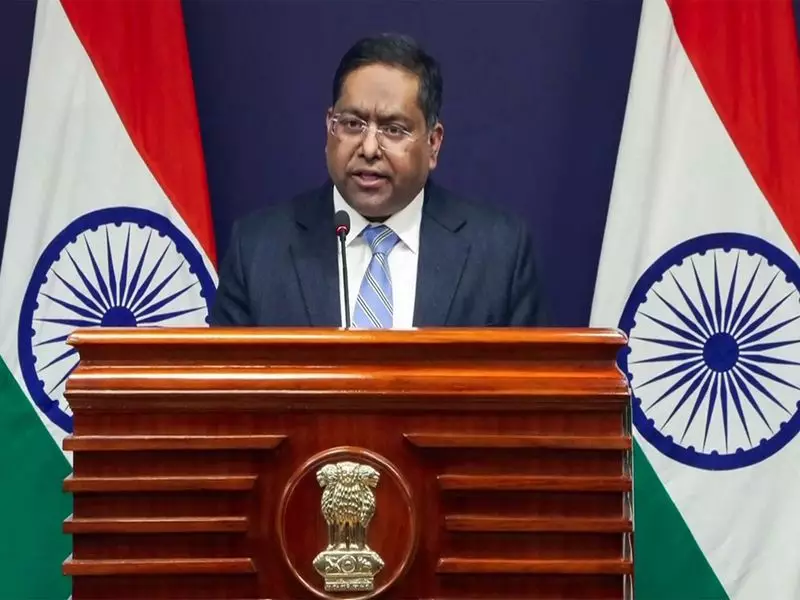
The exchange took place on September 11 during the Interactive Dialogue on the report of the High Commissioner for Human Rights. Exercising its Right of Reply, the Indian delegation dismissed Pakistan's statements as "baseless and politically motivated." The Indian representative underscored that India is a vibrant democracy with a robust constitutional framework that guarantees equal rights to all its citizens, irrespective of their faith.
India's statement emphasized that its pluralistic society and secular polity are foundational principles. The delegation pointed out that Indian minorities actively participate in all aspects of the nation's political, economic, and social life, holding the highest offices in the land. This stands in stark contrast to the situation painted by Pakistan's representative.

Turning the Tables: India Highlights Pakistan's Record
Instead of engaging directly with the allegations, India's diplomatic counter focused squarely on the condition of minorities within Pakistan. The Indian representative presented a stark picture, urging the Council to consider Pakistan's own performance.
The Indian reply cited systematic persecution of religious and ethnic minorities in Pakistan, including Hindus, Christians, Sikhs, and Ahmadiyyas. It highlighted issues such as forced conversions, targeted violence, and the destruction of places of worship. The statement pointedly mentioned the severe discrimination faced by the Ahmadiyya community, who are legally barred from identifying as Muslims in Pakistan.
Furthermore, India brought up the dire situation in Pakistan-occupied Jammu and Kashmir (PoJK), alleging the suppression of political dissent and fundamental freedoms for its residents. The reply framed Pakistan's accusations as a tactic to divert attention from its severe domestic human rights challenges.
The Context of Persistent Tensions
This diplomatic spat is not an isolated incident but part of a long-standing pattern of mutual accusations at multilateral forums like the UN. Pakistan frequently raises the issue of Kashmir and the status of Muslims in India. India consistently responds by highlighting Pakistan's state-sponsored cross-border terrorism and its treatment of minorities.
The September 11 session provided another stage for this ongoing rivalry. India's strategy remains one of rejecting the premise of Pakistan's moral authority on the subject and redirecting international scrutiny towards Islamabad's documented failings. The use of the word "abysmal" to describe Pakistan's record was a deliberate and strong choice, signaling India's refusal to entertain the criticism.
The core of India's argument is that a nation which itself faces grave allegations of minority persecution is in no position to lecture the world's largest democracy. This position resonates with India's broader foreign policy approach of confronting what it sees as propaganda with factual counter-narratives.
This exchange underscores the deep-seated tensions between the two nuclear-armed neighbors and illustrates how human rights discourses are often leveraged for diplomatic and political point-scoring on the global stage. For now, India's message is clear: it will not accept lessons on pluralism from a country whose record it considers fundamentally flawed.