Hormuz Blockade: Diplomatic Efforts Conclude, Era of Strategic Pressure Begins
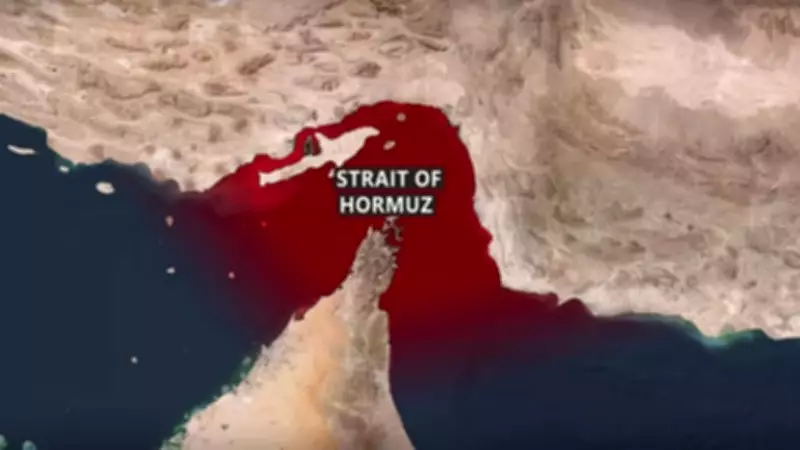
The recent blockade of the Hormuz Strait, a critical maritime chokepoint for global oil shipments, has reached a pivotal juncture. Diplomatic negotiations aimed at resolving the standoff have officially concluded, marking the end of a phase characterized by dialogue and mediation. This development signals a significant shift in the international response, as stakeholders now transition to a new era of strategic pressure and assertive measures to address the crisis.
End of Diplomatic Engagement
For weeks, diplomatic channels were actively utilized by various nations and international bodies to de-escalate tensions surrounding the Hormuz Strait blockade. High-level talks and mediation efforts were pursued in an attempt to find a peaceful resolution and ensure the free flow of oil through this vital waterway. However, these efforts have now been formally wrapped up, with no breakthrough agreement reached. The conclusion of diplomacy underscores the complexities and entrenched positions involved, highlighting the challenges in achieving consensus through traditional negotiation means.
Rise of Strategic Pressure Tactics
With diplomacy at an end, the focus has swiftly turned to the implementation of pressure tactics by key global players. This includes economic sanctions, military posturing, and coordinated political maneuvers designed to compel a resolution to the blockade. The shift reflects a calculated move to leverage influence and resources in a more direct manner, as stakeholders seek to protect their interests in the region. The initiation of pressure strategies is expected to intensify the situation, potentially leading to heightened geopolitical tensions and further disruptions in the global oil supply chain.

Impact on Global Oil Markets and Regional Stability
The Hormuz Strait is responsible for transporting approximately one-fifth of the world's oil supply, making any blockade a matter of urgent international concern. The transition from diplomacy to pressure has immediate implications for global oil markets, with potential spikes in prices and increased volatility as uncertainty mounts. Additionally, regional stability in the Middle East is at risk, as the blockade and subsequent pressure tactics could exacerbate existing conflicts and strain diplomatic relations among neighboring countries. The situation demands close monitoring, as developments could have far-reaching consequences for energy security and economic stability worldwide.
Future Outlook and International Response
Looking ahead, the international community is poised to navigate this new phase with a combination of caution and resolve. Nations are likely to ramp up their pressure campaigns, while also exploring alternative routes and energy sources to mitigate dependence on the Hormuz Strait. The effectiveness of these pressure tactics in resolving the blockade remains uncertain, but they represent a critical test of global diplomacy and strategic coordination. As events unfold, the world watches closely, aware that the outcome will shape not only regional dynamics but also the broader landscape of international relations and energy policy.