German Defence Minister Demands Trump Apology Over NATO Troops Disrespect
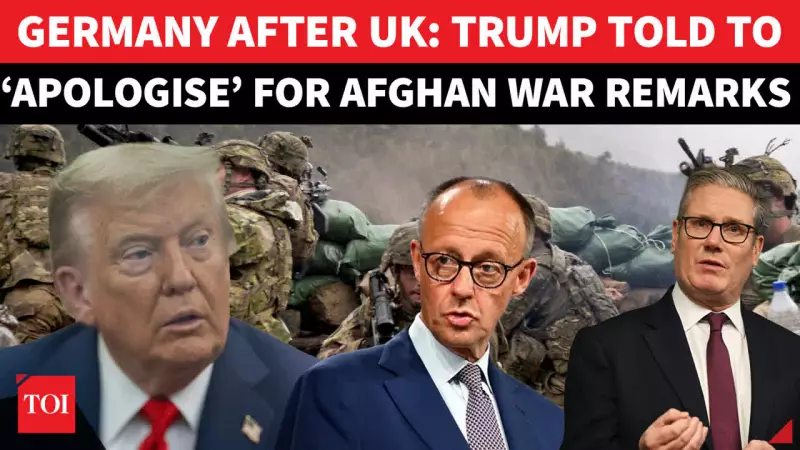
In a significant diplomatic development, Germany's Defence Minister Boris Pistorius has publicly called upon United States President Donald Trump to issue a formal apology for recent comments that dismissed the contributions of NATO allies during the Afghanistan conflict. The demand comes amid growing European outrage over remarks perceived as disrespectful to allied forces.
Trump's Controversial Comments Spark Outrage
President Trump ignited controversy by claiming that allied forces in Afghanistan remained "a little off the front lines" during combat operations. This characterization has been met with widespread condemnation across European capitals, where officials view it as minimizing the sacrifices made by NATO partners in the two-decade-long conflict.
Pistorius Condemns Disrespect to Fallen Soldiers
Defence Minister Pistorius described Trump's statements as profoundly disrespectful to soldiers who fought and died alongside American troops in Afghanistan. The German minister specifically highlighted the human cost borne by European nations, noting that Germany lost 59 service members, the United Kingdom suffered 457 casualties, and France mourned 90 fallen soldiers during the conflict.

"These comments dishonor the memory of those who made the ultimate sacrifice," Pistorius stated, emphasizing that the contributions of NATO allies were substantial and came at significant human cost.
European Allies Join Growing Backlash
The German demand for an apology has found strong support among other European NATO members. Both Britain and France have joined the growing backlash against Trump's remarks, with officials from both nations emphasizing that the memory of fallen troops must be honored and respected.
British defense officials expressed particular concern given that the United Kingdom suffered the highest number of casualties among European NATO members in Afghanistan. French authorities similarly stressed the importance of acknowledging allied contributions to maintain NATO solidarity.
Trump's Response and Diplomatic Tensions
While President Trump offered praise for British forces in subsequent comments, he has not issued any apology for his original remarks about NATO allies' contributions in Afghanistan. This refusal has raised diplomatic tensions at a sensitive time for transatlantic relations.
The controversy touches on several critical issues in international relations:
- Historical interpretation of NATO's role in Afghanistan
- Allied trust and solidarity within the military alliance
- Diplomatic protocol regarding recognition of military sacrifices
- Transatlantic relations during a period of geopolitical uncertainty
Broader Implications for NATO Unity
This diplomatic dispute comes at a crucial moment for NATO, which faces multiple challenges including ongoing conflicts and shifting global power dynamics. The German demand for an apology represents more than just a bilateral issue between Berlin and Washington—it reflects broader European concerns about how allied contributions are valued and remembered.
European officials worry that dismissing NATO partners' sacrifices could undermine the alliance's cohesion at a time when unity is particularly important. The controversy also raises questions about how historical military cooperation is acknowledged in contemporary political discourse.
As the situation develops, diplomatic observers will be watching closely to see whether the United States responds to the German demand and how this incident might affect NATO's internal dynamics moving forward. The memory of those who served and died in Afghanistan remains a sensitive and significant issue for all nations involved in the conflict.