Inside the Failed US-Iran Negotiations: Decoding Trump's Strait of Hormuz Blockade Strategy
The recent breakdown in diplomatic talks between the United States and Iran has sent shockwaves through international relations, with a particular focus on former President Donald Trump's aggressive proposal to blockade the Strait of Hormuz. This critical maritime chokepoint, through which about one-fifth of the world's oil passes, became a central point of contention in the negotiations that ultimately collapsed in early 2026.
The Negotiation Breakdown and Key Issues
According to sources familiar with the discussions, the negotiations aimed to address long-standing tensions over Iran's nuclear program and regional influence. However, the talks faltered primarily due to Trump's insistence on implementing a naval blockade of the Strait of Hormuz as a pressure tactic. This strategy was reportedly intended to cripple Iran's oil exports and force concessions on nuclear enrichment limits and support for proxy groups in the Middle East.
The Iranian delegation, led by senior diplomats, vehemently rejected the blockade proposal, viewing it as an act of economic warfare and a violation of international maritime law. They argued that such a move would destabilize global energy markets and escalate military confrontations in the region. The US side, under Trump's direction, maintained that the blockade was a necessary measure to counter what they described as Iran's destabilizing activities and to ensure compliance with previous nuclear agreements.

Trump's Strait of Hormuz Strategy: A Detailed Analysis
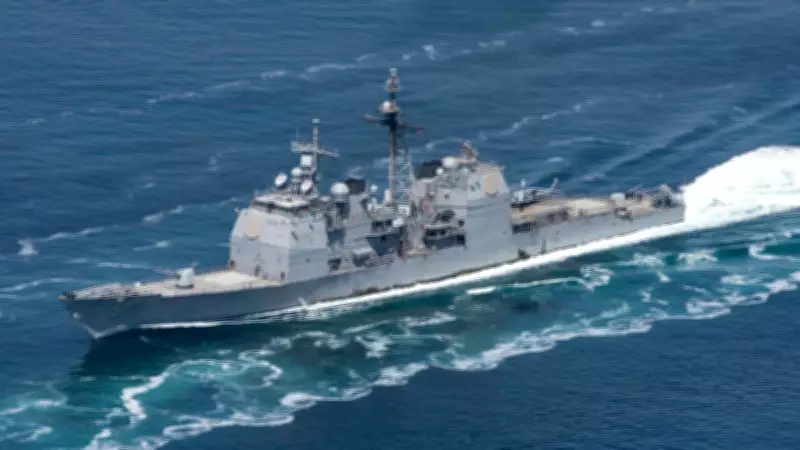
Donald Trump's blockade plan involved deploying a significant US naval presence, including aircraft carriers and destroyers, to monitor and restrict shipping through the strait. The strategy was designed to leverage the US military's dominance in the Persian Gulf to exert maximum economic pressure on Iran. Proponents of the plan argued that it would cut off a major revenue stream for the Iranian government, potentially forcing them back to the negotiating table with more favorable terms for the US.
However, critics, including some within the US administration and allied nations, warned of severe repercussions. They highlighted that a blockade could lead to retaliatory actions by Iran, such as attacks on oil tankers or disruptions to other shipping lanes, risking a broader conflict. Additionally, the plan faced legal challenges, as the Strait of Hormuz is an international waterway, and blockading it without United Nations approval could violate international norms.
Global and Regional Implications
The failure of these negotiations has significant implications for global security and the Middle East. The stalemate has heightened tensions, with both sides increasing military posturing in the region. Countries dependent on oil imports from the Persian Gulf, including India, China, and European nations, have expressed concern over potential supply disruptions and rising oil prices.
In the Middle East, the collapse of talks has reinforced existing alliances and rivalries. Saudi Arabia and Israel, which support a hardline stance against Iran, have backed Trump's strategy, while other regional players like Qatar and Oman have called for diplomatic solutions to avoid escalation. The situation has also impacted ongoing efforts to revive the Joint Comprehensive Plan of Action (JCPOA), with prospects for a renewed nuclear deal appearing dimmer.
Lessons and Future Outlook
This episode underscores the challenges of high-stakes diplomacy in a volatile region. The reliance on military coercion, as seen in Trump's blockade strategy, often complicates negotiations and can lead to deadlock. Experts suggest that future talks may require a more nuanced approach, incorporating confidence-building measures and multilateral engagement to address mutual security concerns.
Looking ahead, the US-Iran relationship remains fraught with uncertainty. While the blockade plan has been shelved for now, the underlying issues persist, and any miscalculation could trigger a crisis. The international community continues to monitor the situation closely, advocating for dialogue to prevent further deterioration of stability in the Persian Gulf and beyond.