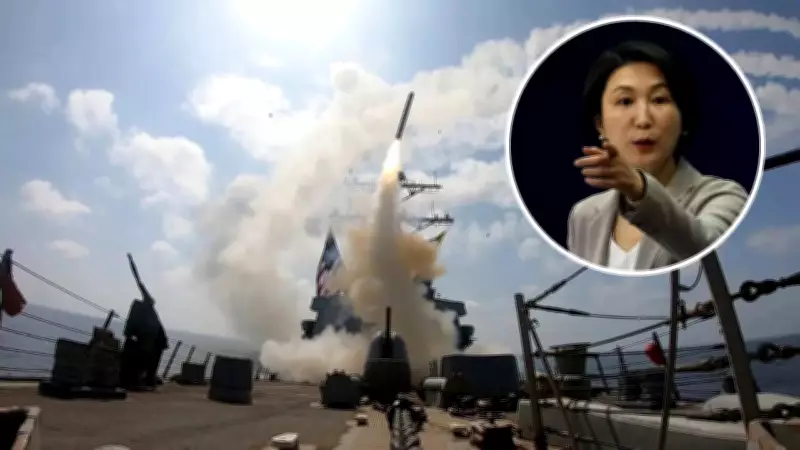
China Demands Immediate Ceasefire in Escalating US-Israel-Iran Conflict
China has issued a urgent call for an immediate ceasefire between the United States, Israel, and Iran, expressing grave concerns that the intensifying conflict could spill over into neighbouring countries. This appeal follows Iran's retaliatory actions against US bases in the Gulf region, which have heightened tensions across the Middle East.
Beijing's Diplomatic Push for De-escalation
At a news conference on Monday, Chinese foreign ministry spokesperson Mao Ning emphasized the critical need to halt military operations. "The most urgent task is an immediate cessation of military operations and preventing a spread and spillover of conflict," Mao stated. She urged all parties to resolve the crisis through dialogue and negotiation, underscoring China's commitment to diplomatic solutions.
In a significant development, Beijing confirmed that one Chinese national was killed in Tehran during the US strike that resulted in the death of Iran's Supreme Leader Ayatollah Ali Khamenei. Mao revealed that the foreign ministry and the Chinese embassy in Iran are providing necessary assistance to the victim's family, though personal details were not disclosed due to privacy concerns.

Mass Evacuation Efforts and Travel Warnings
In response to the escalating violence, China has ramped up its evacuation efforts, advising its citizens in Iran to leave "as soon as possible." The government has outlined four land routes for safe exit:
- To Azerbaijan
- To Armenia
- To Turkey
- To Iraq
More than 3,000 Chinese nationals have already evacuated from Iran, while those in Israel have been urged to relocate to safer areas or cross into Egypt via the Taba border. The foreign ministry has also issued warnings against travel to the region, citing reports of injuries and stranded citizens amid widespread flight disruptions across the Middle East.
Condemnation of US-Led Strikes and UN Call
China strongly condemned the US-led military strikes, labeling them as violations of international law. Beijing asserted that these actions were "not authorised by the United Nations Security Council" and called for an emergency session of the Council. It emphasized that the sovereignty, security, and territorial integrity of all Gulf countries must be fully respected.
In a phone conversation on Sunday, Chinese Foreign Minister Wang Yi and his Russian counterpart Sergei Lavrov discussed the worsening crisis, with Wang pressing for calm. He described the "blatant killing of a sovereign leader and the incitement of regime change" as unacceptable, advocating for an immediate ceasefire and resumption of talks to avert a broader regional conflict.
State Media Criticism and Ongoing Communications
China's state-run Xinhua news agency escalated the criticism in a commentary, denouncing the attack as "brazen aggression against a sovereign nation" and an example of power politics and hegemony. It accused Washington of flagrantly violating the United Nations Charter and fundamental norms of international relations.
Despite the rising tensions, Mao confirmed that communication between Beijing and Washington remains active. This is particularly relevant ahead of US President Donald Trump's planned visit to China from March 31 to April 2, with both sides maintaining dialogue regarding leader interactions.
In its Monday statement, Beijing reiterated its deep concern over the potential spillover effects of the conflict on neighbouring countries, highlighting the global implications of the ongoing strife.