Canada Formally Expresses Interest in IORA Dialogue Partnership
In a significant diplomatic development, Canada has officially communicated its desire to become a dialogue partner for the Indian Ocean Rim Association (IORA). This move underscores Canada's growing strategic interest in the Indian Ocean region, which is a critical hub for global trade and maritime security. The Indian Ocean Rim Association, established in 1997, is an intergovernmental organization comprising 23 member states and 11 dialogue partners, focused on promoting regional cooperation and sustainable development.
India's Ministry of External Affairs Welcomes the Proposal
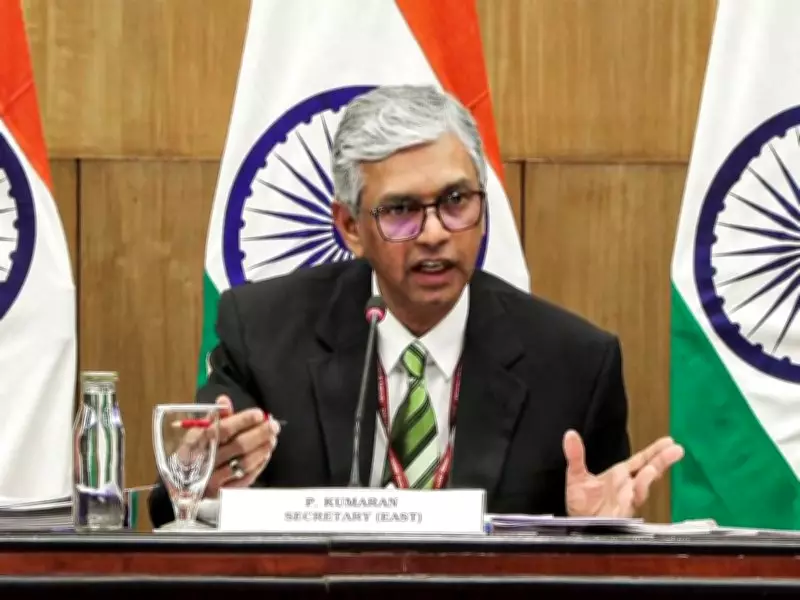
The Ministry of External Affairs (MEA) of India has responded positively to Canada's expression of interest. In a statement, the MEA highlighted that this step could foster greater collaboration on maritime security, blue economy initiatives, and disaster risk management. India, as a founding member and key player in IORA, views Canada's potential involvement as a constructive addition to the association's efforts to enhance stability and prosperity in the Indian Ocean region.
The MEA emphasized that dialogue partners play a crucial role in supporting IORA's objectives by sharing expertise and resources. Canada's expertise in areas such as ocean governance, climate change adaptation, and technological innovation could complement existing initiatives within IORA. This partnership is expected to align with India's broader vision of a free, open, and inclusive Indo-Pacific, as outlined in its foreign policy frameworks.

Implications for Maritime Security and Regional Cooperation
The inclusion of Canada as a dialogue partner could significantly bolster maritime security efforts in the Indian Ocean. With rising concerns over piracy, illegal fishing, and geopolitical tensions, enhanced cooperation among nations is paramount. Canada's naval capabilities and experience in multilateral security operations could contribute to joint patrols, information sharing, and capacity-building programs for IORA member states.
Moreover, this development reflects a broader trend of non-littoral states seeking deeper engagement with Indian Ocean affairs. As global trade routes increasingly depend on the security of this region, countries like Canada are recognizing the strategic importance of establishing formal ties with regional bodies like IORA. This move may also pave the way for increased economic partnerships, particularly in sectors such as fisheries, renewable energy, and maritime logistics.
Next Steps and Future Prospects
The process for Canada to become a dialogue partner involves formal approval by IORA member states, based on consensus. India, as a leading voice in the association, is likely to support this application, given the mutual benefits anticipated. Once approved, Canada would join other dialogue partners such as the United States, China, and Germany, participating in IORA meetings and contributing to its working groups.
Looking ahead, this partnership could enhance bilateral relations between India and Canada, building on existing collaborations in trade, education, and technology. It also signals a shift towards more inclusive and diversified regional governance, where extra-regional actors play supportive roles in addressing common challenges. The MEA's welcoming stance sets a positive tone for future engagements, emphasizing shared goals of peace, security, and sustainable development in the Indian Ocean region.