Australian Prime Minister Calls for Strait of Hormuz Reopening
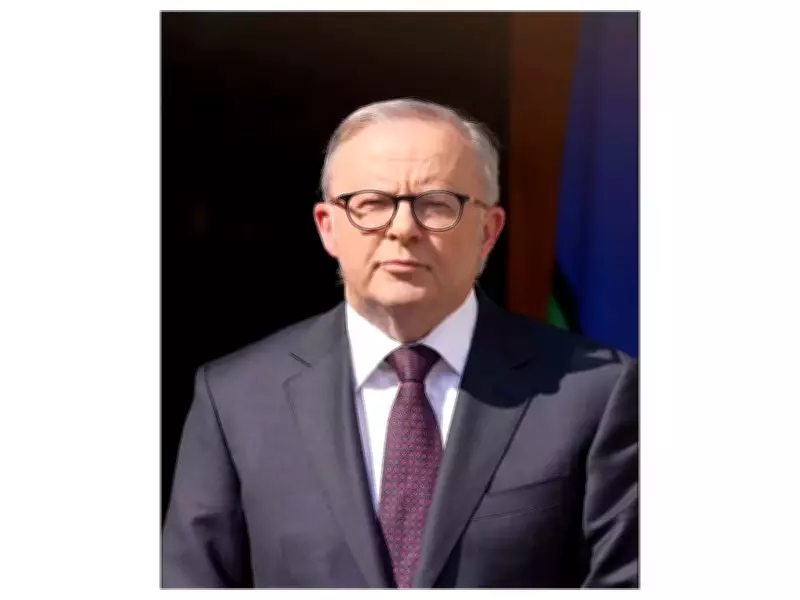
Australian Prime Minister Anthony Albanese has publicly urged for the reopening of the Strait of Hormuz, a crucial maritime chokepoint that has seen disruptions impacting global trade and energy flows. In a recent statement, Albanese emphasized that Australia, along with the international community, wants to see this strategic waterway remain open and secure to maintain stability in global markets.
Importance of the Strait of Hormuz
The Strait of Hormuz is one of the world's most significant shipping lanes, located between the Persian Gulf and the Gulf of Oman. It serves as a primary conduit for oil and natural gas exports from Middle Eastern countries, including Saudi Arabia, Iran, and the United Arab Emirates. Approximately 20-30% of the world's oil supply passes through this narrow passage, making it vital for global energy security and economic stability.
Recent tensions and incidents in the region have raised concerns about potential closures or restrictions, which could lead to significant disruptions in energy supplies and spike oil prices worldwide. Albanese highlighted that any blockage or instability in the strait could have far-reaching consequences, affecting not only regional economies but also international trade networks.

Albanese's Stance on Global Security
Prime Minister Albanese's comments reflect Australia's broader foreign policy focus on promoting maritime security and free navigation in key international waterways. He stated, "We want to see this hold," underscoring the necessity for cooperative efforts among nations to ensure the strait remains accessible. This stance aligns with Australia's interests as a major exporter of resources and a participant in global trade, reliant on secure shipping routes for its economic prosperity.
Albanese also pointed out that the reopening and safeguarding of the Strait of Hormuz are essential for:
- Energy Security: Ensuring uninterrupted flow of oil and gas to global markets.
- Economic Stability: Preventing price volatility that could harm economies worldwide.
- Diplomatic Cooperation: Fostering international dialogue to address regional tensions peacefully.
Regional and International Implications
The call for reopening comes amid ongoing geopolitical challenges in the Middle East, including conflicts and diplomatic strains that have occasionally threatened the strait's accessibility. Australia, as a member of various international forums and alliances, is advocating for multilateral approaches to resolve such issues. Albanese's remarks signal Australia's commitment to supporting global norms of freedom of navigation, which are critical for maintaining international order.
Experts note that securing the Strait of Hormuz requires coordinated efforts from key stakeholders, including:
- Regional powers in the Middle East.
- Major energy-consuming nations like the United States, China, and European countries.
- International organizations focused on maritime safety.
By emphasizing the need to "see this hold," Albanese is reinforcing the importance of proactive measures to prevent escalations that could lead to closures. This includes diplomatic engagements, security patrols, and confidence-building measures among nations with vested interests in the region.
Conclusion
Prime Minister Anthony Albanese's advocacy for the Strait of Hormuz reopening highlights Australia's role in championing global economic and security interests. As tensions persist in the Middle East, his call serves as a reminder of the interconnectedness of international trade and the need for collective action to safeguard vital maritime routes. Ensuring the strait remains open is not just a regional concern but a global imperative for sustaining energy supplies and economic growth in an increasingly volatile world.