TTDC Seeks Consultants to Transform Over 20 Hidden Gems into Tourism Destinations
The Tamil Nadu Tourism Development Corporation (TTDC) has taken a significant step toward diversifying the state's tourism landscape by inviting bids from consultants to prepare comprehensive development plans for more than 20 sites that currently remain outside the mainstream travel circuit. These locations, despite their rich cultural, ecological, and historical significance, have not received the attention they deserve from tourists and developers alike.
Budgetary Backing and Strategic Vision
This initiative aligns with announcements made in the 2025-26 state budget, which emphasized strengthening tourism infrastructure and creating alternative travel routes to reduce overcrowding at popular destinations. A senior official from the tourism department highlighted that the selected sites include lakes, ooranis (traditional water bodies), heritage streets, and ecologically-sensitive zones. The government aims to develop these into sustainable tourism destinations that balance conservation with visitor experience.
Diverse Sites Selected for Development
The consultant will be tasked with preparing detailed project reports (DPRs) for a variety of locations across Tamil Nadu. Key sites identified for development include:

- Poompuhar - An ancient port city with archaeological importance
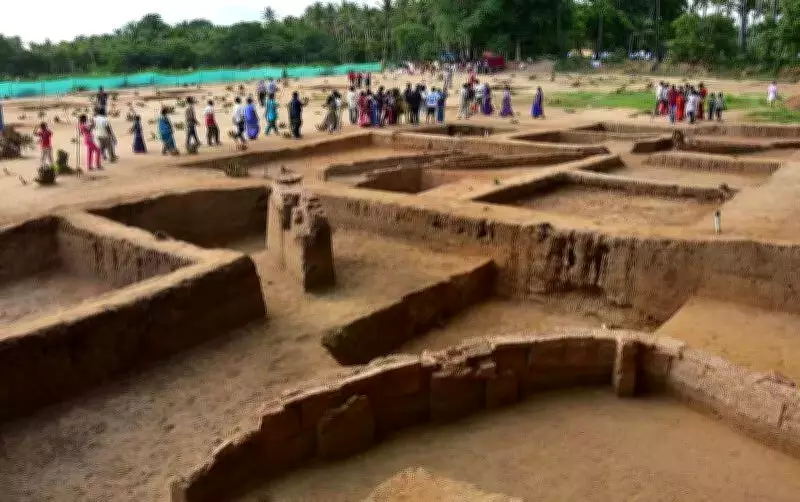
- Keeladi - A major archaeological site revealing Sangam-era civilization
- Kanadukathan in Chettinad - Known for its distinctive architecture and culinary heritage
- Velankanni Church streetscape - Enhancing the pilgrimage experience
- Old Nagapattinam beach - Coastal development with historical context
- Dutch Cemetery - Colonial heritage preservation
- Gopalapuram Church and St Thomas Mount - Religious and historical sites
- Thovalai - Regional cultural significance
- Penny Cuick Manimandapam - Memorial site with historical value
Comprehensive Assessment Methodology
The consultant's work will begin with thorough baseline assessments and site surveys covering multiple dimensions:
- Physical and Environmental Factors: Topography, land use patterns, ecological characteristics, and heritage assets
- Infrastructure Evaluation: Existing tourist facilities, road, rail and air connectivity, water supply systems, sewerage and drainage, power supply, solid waste management, and disaster management infrastructure
- Tourist Amenities Analysis: Parks, public spaces, toilets, signage, parking facilities, information centers, accommodation options, and safety systems
- Community and Economic Assessment: Local economy dynamics, community demographics, stakeholder readiness, and service delivery gaps
This assessment will be supported by on-ground data verification and extensive stakeholder consultations involving government departments, tourism authorities, local bodies, community representatives, and private sector players.
Protection and Development Balance
A crucial aspect of the development plans will be identifying pristine zones that require protection while simultaneously assessing the tourism potential of both built and intangible cultural heritage. Consultants will review existing plans and ongoing projects by local bodies and development authorities to avoid duplication of efforts and ensure coordinated development.
Baseline surveys will specifically assess visitor perceptions, community readiness for tourism development, and integration possibilities with existing travel circuits. The analysis will also examine tourist demographics, origin-destination travel patterns, and how these new destinations can complement established tourism routes.

Unlocking Tamil Nadu's Full Tourism Potential
Basheer Ahmed, chairman of Chennai Metro Travels and a committee member of the Outbound Tour Operators Association of India, emphasized the significance of this initiative. "International tourists are increasingly keen to explore historical sites, and Tamil Nadu has an abundance of these. Until now, tourism in the state has largely revolved around hill stations, beach destinations, and temple towns. This initiative will help unlock Tamil Nadu's heritage, culinary, and adventure tourism potential, allowing more diverse destinations to be added to tourist itineraries," he explained.
The TTDC's move represents a strategic shift toward creating a more balanced and sustainable tourism ecosystem in Tamil Nadu, one that celebrates the state's diverse cultural and natural heritage while creating economic opportunities for local communities and enhancing visitor experiences beyond the traditional tourist circuits.