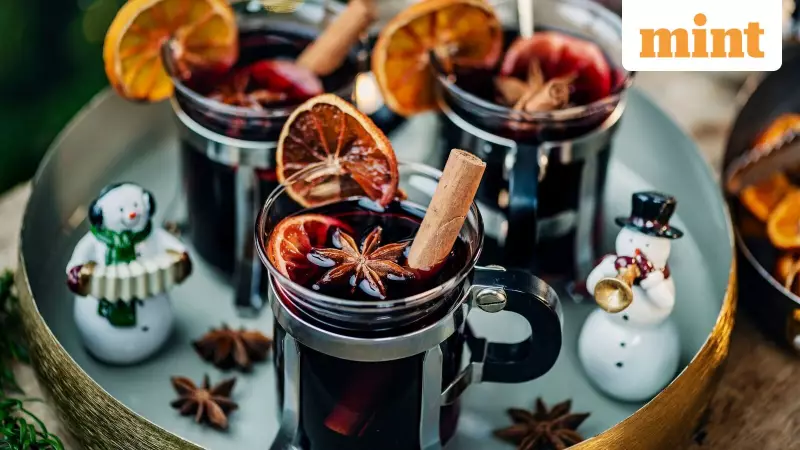
Across nations and cultures, winter finds a universal, warming companion in mulled wine. This hot, spiced beverage, often crafted from red wine, citrus, and aromatic spices, stands as a powerful symbol of history, tradition, and communal warmth, especially in colder regions. Its role extends far beyond the iconic Christmas markets, remaining a cherished drink throughout the winter months, sometimes enjoyed as late as March.
From Ancient Necessity to Medieval Celebration
The origins of mulled wine are both practical and ancient. During Roman times, heating wine (primarily red) with spices served a dual purpose: aiding digestion and providing warmth in the cold. This early version included ingredients still valued as kitchen remedies today, such as pepper, bay leaves, ginger, honey, dates, and walnuts. This spicing also helped preserve the wine by preventing oxidation.
However, it was during the Middle Ages that the drink surged in popularity, transforming into a seasonal staple. The era of global exploration introduced new spices like cinnamon, cloves, cardamom, and citrus fruits to the European palate, which soon found their way into the warming brew. This period cemented the tradition of serving hot, spiced wine as a central part of winter festivities across Northern and Eastern Europe, from where it eventually spread worldwide.

A European Tapestry of Flavours
As mulled wine travelled, it adapted beautifully to local customs and ingredients, creating a delightful array of regional varieties. At its core, it involves gently heating a red wine base with spices like cinnamon, cloves, and star anise, plus citrus fruits, taking care not to let it boil. Yet, countless other additions—from ginger and cardamom to apples, pears, raisins, and nuts—have enriched the concoction.
Germany's Glowing 'Gluhwein'
In Germany, it is famously known as Gluhwein (meaning 'glowing wine') and is consumed in vast quantities. Traditionally made with German reds like Spatburgunder, it is warmed with oranges, cloves, cinnamon, and star anise, creating a piquant, tongue-tingling drink. The experience is heightened at medieval markets like Esslingen, where it is heated in large cauldrons. For a dramatic twist, Nuremberg offers Feuerzangenbowle, where a rum-soaked sugarloaf is set ablaze over the wine, caramelising into it. The drink is so ingrained that during the 2020 pandemic restrictions, makeshift Gluhwein stalls defiantly appeared in parks and street corners.
Nordic 'Glogg' and Beyond
Nordic countries call their version Glogg, a mix featuring cloves, cinnamon, cardamom, ginger, orange peel, sliced almonds, and raisins. Often, the dried fruits are soaked overnight in brandy or aquavit for an extra kick. Denmark adds a direct shot of rum or schnapps for more oomph. Sweden bucks the trend by primarily using white wine for its mulled version, served with saffron buns.
In Italy, Vino Caldo or Vin Brulè showcases local terroir, using fruity wines like Valpolicella, Dolcetto, or Schiava, warmed with citrus peels, apple and pear slices, plums, juniper berries, and spices. Spain often employs fruity Tempranillo for its version.
The French, true to form, elevate their Vin Chaud, which tends to be drier. Each wine region prefers its local specialty: Pinot Noir in Alsace, Syrah in Northern Rhone, Grenache in Southern Rhone, and Merlot in the Southwest.
The Unmistakable Spirit of Winter
From the dreamy atmosphere of London's Southbank Winter Market, where the spiced 'angel's share' perfumes the air, to cozy corners across Europe, mulled wine is undeniably the continent's heady seasonal heartbeat. It returns every winter, evoking a rich and fragrant nostalgia that warms both body and spirit, connecting the present to traditions centuries old.