American Tourist's Mumbai Taxi Ordeal Highlights Airport Transport Risks
Mumbai, often celebrated as India's city of dreams and destiny, continues to captivate global travelers with its vibrant energy and rich historical tapestry. As the bustling capital of Maharashtra, it maintains a reputation for warm hospitality toward visitors from around the world. However, a recent incident involving an American tourist has underscored the need for street-smart travel awareness in this major metropolis, mirroring challenges faced in other international destinations.
The Viral Taxi Scam That Captured Global Attention
The troubling episode unfolded on January 12, 2026, when Argentina Ariano, an American national visiting India for a wedding celebration, arrived at Mumbai's airport. What should have been a simple transfer to her nearby hotel turned into a distressing experience that would later spark widespread discussion about tourist safety.
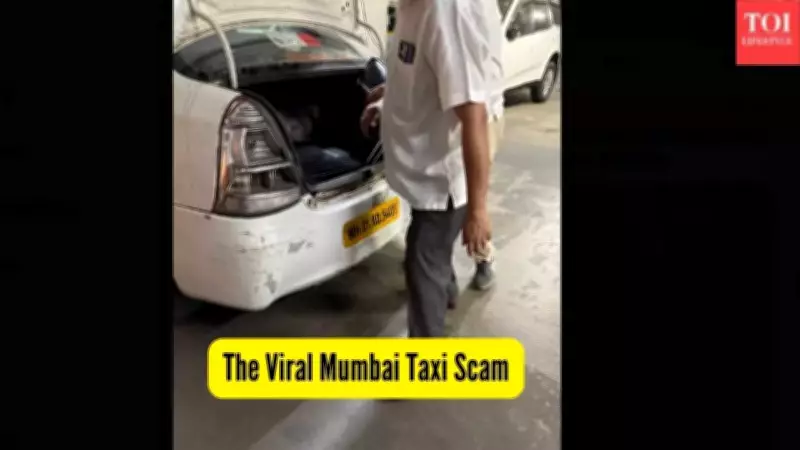
According to Ariano's detailed social media post shared on January 26, she hired a taxi at the airport to transport her to a Hilton hotel located merely 400 meters away. Instead of taking the direct route, the driver accompanied by another man allegedly diverted the vehicle to an unfamiliar location for approximately twenty minutes, deliberately prolonging the journey before demanding an exorbitant payment of $200 equivalent to approximately ₹18,000 Indian rupees.

"Landed in Mumbai recently, took a taxi to @HiltonHotels. The driver and another guy took us to an unknown location first, charged us $200 (₹18,000) and then dropped us at the hotel which was only 400m away. Taxi No: MH 01 BD 5405 @MumbaiPolice #scam @CPMumbaiPolice @MTPHereToHelp"
Her post, which included the taxi's registration number and tagged Mumbai Police authorities, rapidly gained traction across social media platforms, travel forums, and news outlets. The incident resonated with travelers who have faced similar challenges in global cities, transforming it into a significant conversation about airport transportation security for both international and domestic visitors.
Swift Police Action Brings Resolution
The response from Mumbai Police demonstrated remarkable efficiency and commitment to tourist safety. Within hours of the viral post, authorities sprang into action, utilizing the provided registration details to trace the vehicle involved in the incident.
Police officials conducted thorough investigations including reviewing CCTV footage from airport vicinity areas, which led to the identification and subsequent arrest of the taxi driver on January 27. The vehicle was promptly seized, and authorities initiated legal proceedings under cheating-related sections of the Indian Penal Code.
Furthermore, the transport authorities have begun the process of canceling the driver's operating license, while police continue efforts to formally document the victim's statement despite her return to the United States. This prompt intervention highlights the importance of reporting such incidents and the effectiveness of modern law enforcement mechanisms when provided with specific details.
A Global Pattern of Airport Transportation Challenges
Unfortunately, such incidents are not isolated to Mumbai alone. Major international destinations including Paris, Bangkok, and other tourist hotspots have reported similar taxi-related complaints, particularly targeting first-time visitors who may be unfamiliar with local transportation norms.
Travelers arriving after long international flights often experience fatigue and heightened vulnerability, making them susceptible to exploitation when simply seeking efficient transport to their accommodations. While Mumbai maintains an extensive network of licensed taxis, transparency issues persist among some operators, creating potential risks for uninformed passengers.
Essential Travel Safety Recommendations
This incident serves as a practical educational moment for all travelers rather than a discouragement from exploration. Several precautionary measures can significantly reduce vulnerability to transportation scams:

- Utilize prepaid taxi services or app-based transportation platforms that provide fare estimates and driver verification
- Avoid unsolicited transportation offers from individuals approaching passengers in arrival areas
- Confirm approximate distance and fare expectations before beginning any journey
- Document vehicle details immediately including registration numbers and driver identification
- Report suspicious behavior promptly to authorities or hotel staff
Beyond the Scam: A Tourist's Unwavering Affection for India
Perhaps the most heartening aspect of this entire episode emerges from Argentina Ariano's continued appreciation for India despite her unfortunate experience. On her social media profile, she expressed enduring affection for the country and its people, writing: "I came to India to attending a wedding event, love India people is kind caring, love the food, but for two badly person, I'm not going to change my opinion, India is better than those 2 person!!!"
This perspective reinforces an important truth about travel experiences worldwide—isolated incidents involving individuals do not define an entire destination or its population. The majority of interactions travelers have with local communities reflect the genuine hospitality and warmth for which India is globally renowned.
As Mumbai continues to welcome millions of visitors annually, this incident serves as both a cautionary tale and a testament to responsive governance. The combination of alert travelers, effective law enforcement, and systemic improvements can collectively enhance the safety and enjoyment of all who explore this dynamic city and the broader Indian subcontinent.