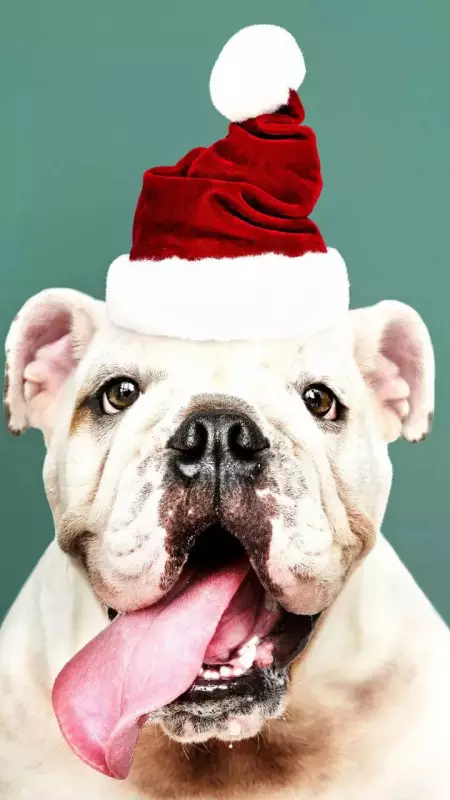
The festive cheer of Christmas brings with it a spread of delicious treats, but for our canine companions, many of these seasonal delights can be a hidden danger. As pet parents deck the halls and prepare feasts, it's crucial to know which popular Christmas foods are toxic to dogs. Awareness can prevent emergency vet visits and ensure a happy, healthy holiday for every member of the family, including the four-legged ones.
Common Festive Foods That Pose a Serious Risk
Many ingredients central to our holiday cooking are harmful, and sometimes even lethal, to dogs. The risks range from gastrointestinal upset to severe conditions like pancreatitis, organ failure, or neurological damage. Chocolate is a well-known offender, containing theobromine which dogs cannot metabolize effectively. Dark chocolate and baking chocolate are particularly dangerous. Similarly, Christmas cakes, puddings, and mince pies are often packed with raisins, sultanas, and currants, which can cause acute kidney failure in dogs, even in small quantities.
Other hazardous items include onions, garlic, and chives, commonly found in stuffings and gravies. These allium family members can damage a dog's red blood cells, leading to anemia. The rich, fatty skin of roasted turkey or chicken and the drippings can trigger painful pancreatitis. Furthermore, foods containing the sweetener xylitol, sometimes used in sugar-free desserts or peanut butter, can cause a rapid insulin release in dogs, resulting in hypoglycemia and potential liver failure.

Alcohol, Bones, and Other Hidden Hazards
It might seem obvious, but alcohol poisoning in dogs spikes during parties. Even small amounts of beer, wine, spirits, or foods cooked with alcohol can cause vomiting, disorientation, and respiratory distress. Cooked bones, especially from poultry, can splinter and cause choking or serious internal injuries. Macadamia nuts, sometimes found in cookies or desserts, are highly toxic and can cause weakness, vomiting, and hyperthermia. Lastly, while not a food, the water in the Christmas tree stand can be toxic if it contains fertilizers or preservatives, and if stagnant, it breeds bacteria.
Symptoms of Poisoning and Immediate Actions
Vigilance is key. If your dog has ingested something toxic, symptoms may include vomiting, diarrhea, excessive drooling, lethargy, loss of coordination, tremors, seizures, or collapse. The onset can be rapid or delayed. If you suspect your dog has eaten a toxic food, contact your veterinarian or an emergency pet poison helpline immediately. Do not wait for symptoms to appear or attempt to induce vomiting without professional advice, as this can sometimes cause more harm.
Prevention is always better than cure. During Christmas gatherings, keep all human food out of your dog's reach. Educate guests, especially children, not to feed the dog from their plate. Instead, prepare some dog-safe treats so your pet can enjoy the festivities without risk. By understanding these dangers, pet parents can ensure the holiday season remains a joyful and safe celebration for everyone.