Two Indian Seafarers Killed, One Missing After Merchant Ship Attack in Middle East
In a tragic maritime incident amid escalating tensions in the Middle East, two Indian nationals have been confirmed dead and one is missing after a merchant vessel came under attack. The event underscores the growing risks to international shipping in conflict-prone regions and has prompted urgent diplomatic responses from Indian authorities.
Details of the Attack and Casualties
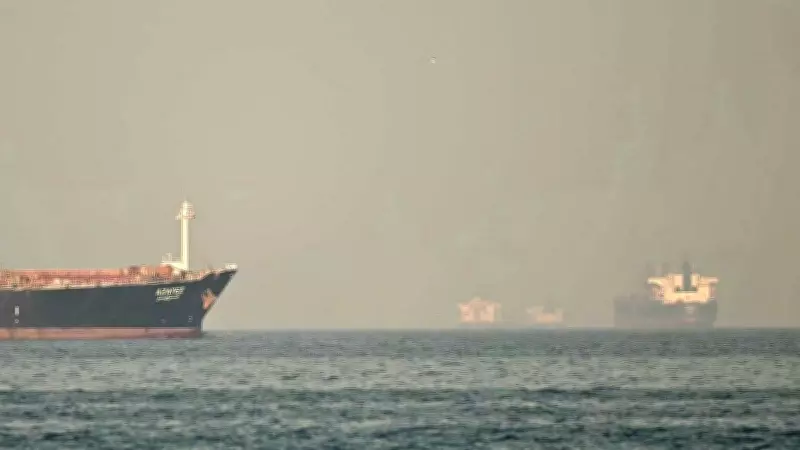
The attack occurred on a merchant ship operating in the Middle Eastern waters, though the exact location and time have not been publicly disclosed for security reasons. According to preliminary reports, the vessel was targeted, resulting in the deaths of two Indian crew members. A third Indian national is currently reported as missing, with search and rescue operations underway. The identities of the victims are being withheld pending notification of their families.
This incident marks a significant escalation in threats to civilian maritime operations, as merchant ships are typically considered neutral in regional conflicts. The attack has raised alarms about the safety of seafarers, with India being one of the largest suppliers of maritime labor globally.
Context of Regional Conflict and Maritime Security
The Middle East has been experiencing heightened geopolitical tensions, involving various state and non-state actors. Conflicts in the region have increasingly spilled over into maritime domains, affecting vital shipping lanes such as those in the Red Sea and the Arabian Gulf. This attack is part of a broader pattern of assaults on commercial vessels, which have disrupted global trade and posed grave dangers to crew members.
International maritime organizations have repeatedly warned about the risks in these waters, citing incidents of hijackings, missile strikes, and other forms of aggression. The current situation has led to increased naval patrols and advisories for ships to avoid certain areas, but attacks continue to occur, highlighting the challenges in securing vast oceanic territories.
Indian Government Response and Diplomatic Efforts
The Indian government has swiftly responded to the tragedy, with officials from the Ministry of External Affairs and the Indian Embassy in the region actively engaged. Key actions include:
- Coordinating with local authorities to recover the bodies of the deceased and locate the missing individual.
- Providing consular assistance to the affected families, including support for repatriation of remains.
- Engaging in diplomatic dialogues with relevant countries to ensure a thorough investigation and enhance security measures for Indian nationals.
In statements, Indian representatives have emphasized the need for stronger international cooperation to protect merchant shipping and hold perpetrators accountable. The incident is expected to feature prominently in upcoming diplomatic discussions, as India seeks to safeguard its citizens working abroad in high-risk sectors.
Impact on Global Shipping and Indian Seafarers
India contributes significantly to the global maritime workforce, with hundreds of thousands of Indian nationals employed on merchant ships worldwide. This attack has sparked concerns within the Indian seafaring community about job safety and the adequacy of protective measures. Industry associations are calling for:
- Enhanced security protocols on vessels operating in conflict zones.
- Better insurance and compensation mechanisms for affected seafarers and their families.
- Increased government advocacy at international forums to de-escalate regional tensions.
The broader implications for global trade are also significant, as such attacks can lead to increased insurance costs, rerouting of ships, and delays in supply chains. This underscores the interconnectedness of regional conflicts and global economic stability, with innocent civilians often bearing the brunt of the consequences.
Looking Ahead: Safety and Preventive Measures
As investigations into the attack proceed, there is a pressing need for collaborative efforts among nations, shipping companies, and international bodies to mitigate risks. Recommendations include deploying more naval escorts, sharing intelligence on threats, and implementing stricter safety guidelines for crews. The tragic loss of Indian lives serves as a stark reminder of the human cost of geopolitical strife and the urgent requirement for sustainable peace initiatives in the Middle East.