For centuries, gold has been the undisputed centrepiece of Indian weddings. Symbolising purity, prosperity, and security, the precious metal, known as 'swarna' or 'the best', is deeply woven into the cultural fabric. From elaborate necklaces to stacks of bangles, a bride's trousseau is often unimaginable without it. However, a growing wave of practicality and financial consciousness is leading the younger generation to question and reshape this age-old tradition.
A Bold Choice: Celebrating Love, Not Locker Anxiety
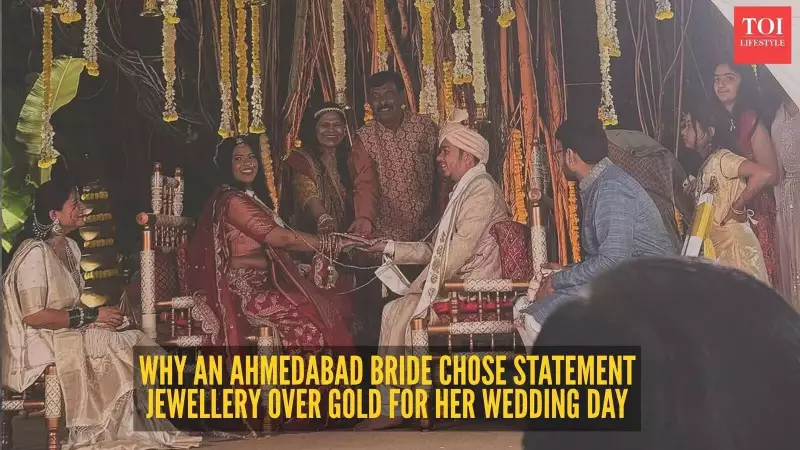
This shift was powerfully illustrated by content creator Pankti Pandey, who recently shared intimate details from her sister Nishtha's wedding. The celebration made a personal and bold statement: it was entirely devoid of gold jewellery. While this may seem unconventional to many, the pragmatic reasoning behind the decision won widespread applause online.
Pankti clarified that both she and her sister are financially independent professionals. They consciously chose not to purchase gold, as they did not want to exhaust their personal savings or their father's hard-earned money. "We are not against gold, and we deeply respect those who love and value it," Pankti emphasised on Instagram. "It's just that we were never fond of owning it. Most of the gold in our family stays in lockers, rarely worn, even on the wedding day."

From Ornaments to Assets: A Practical Investment Strategy
So, what did the family do with the funds typically allocated for wedding gold? They channeled the substantial amount into financial instruments for a secure future. The money was strategically invested in the stock market, sovereign gold bonds, and an equity mutual fund.
Pankti described this alternative as embodying the same love and emotion, but in a "more intentional form." This move transforms a traditionally static asset, often stored away, into a dynamic one with growth potential, directly contributing to the couple's long-term financial stability and independence.
The Real Gift: Relief, Peace, and Empowered Choice
Pankti admitted there were moments of doubt, with her sister Nishtha wondering if the wedding would feel incomplete. The actual experience, however, was liberating. "What she felt instead was unexpected – relief, lightness, and peace," Pankti shared. The absence of heavy jewellery eliminated concerns about safekeeping and the constant anxiety associated with securing valuable items.
The true value, she noted, came from the profound comfort of knowing her father's love and support would manifest not as adornments in a locker, but as "independence, stability, and choice" for her new life. Pankti hopes her sister's story empowers other brides to make choices aligned with their true values, stating, "Because conscious weddings are not about doing less. They are about doing what makes sense."
This narrative has resonated with many, serving as a timely reminder that cherished traditions can harmoniously coexist with modern, practical choices. It highlights a growing trend where financial wisdom and personal conviction are becoming integral parts of celebrating one of life's biggest milestones.