Teaching Respect Beyond Manners: The Unseen Lessons Children Learn
If you ask most parents what respect looks like, the answers are typically very straightforward and clear. Say namaste. Touch the feet of elders. Do not talk back. Do not sit while elders are standing. Use terms like "aunty," "uncle," "sir," or "ma'am." All these actions are visible, easy to correct, and simple to judge from an external perspective.
The Uncomfortable Reality of Superficial Politeness
However, here is an uncomfortable and thought-provoking question. Have you ever encountered someone who is extremely polite to elders but extremely rude to everyone else? Most of us have witnessed this behavior. A very soft voice at home contrasts with arrogance toward waiters. Respect shown to teachers is paired with meanness toward classmates. A perfect namaste gesture is accompanied by zero kindness.
This clearly indicates that we often teach manners but not always true respect. Because respect is not a festival behavior or something you switch on only when relatives visit. Real respect manifests in very mundane, everyday situations. It shows in how you talk to people who cannot complain about you. It shows in how you discuss others when they leave the room. It shows in how you behave when someone disagrees with you. It shows in whether you consider some jobs as "less important" than others.

Children Are Constant Observers of Power Dynamics
Children are watching all of this, all the time, much more than we realize or acknowledge. We instruct them to "talk politely," but they hear us shouting at customer service representatives. We tell them to "respect everyone," but they hear us mocking someone's English or occupation. We advise them not to be rude, but they see us being rude to people who work for us.
Children do not learn respect primarily from verbal instructions. They learn respect by observing power dynamics. They notice who we are polite to, who we ignore, who we shout at, and who we try to impress. This observational learning shapes their understanding of respect far more than any direct teaching.
Updating the Concept of Respect for Modern Times
Additionally, we may need to slightly update what we mean by respect. Traditionally, respect mostly implied hierarchy. It involved showing deference to older people, teachers, bosses, and parents. You respected those above you in the social or familial structure. That was the established system.
But the world children are growing up in today is markedly different. They are encouraged to ask questions, have opinions, choose careers, speak up, be confident, and think independently. Yet, sometimes we also expect them to never disagree with elders. This creates confusion and mixed messages.
Disagreement is not always disrespect. Silence is not always respect. Fear is definitely not respect. If a child is scared to talk in front of you, that is not respect; it is fear masked with good manners.
What Real Respect Looks Like Today
Real respect in contemporary society probably looks more like this: being kind to people who serve you, not making fun of someone's background, listening attentively when someone else is speaking, and not assuming you are better than someone because of money, academic marks, English proficiency, or job title.
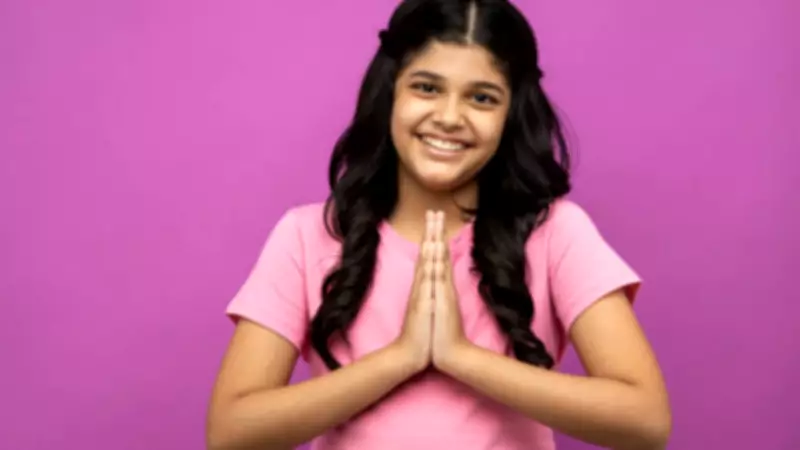
It is less about touching feet and more about not stepping on people. Namaste is a beautiful and respectful gesture, but what matters more is what happens after the namaste. How you talk, how you treat people, and how you behave when nobody is watching.
Ultimately, people do not remember whether you greeted them perfectly. They remember whether you treated them like they mattered. This shift in focus from superficial manners to genuine, everyday respect is crucial for fostering a more empathetic and inclusive society.