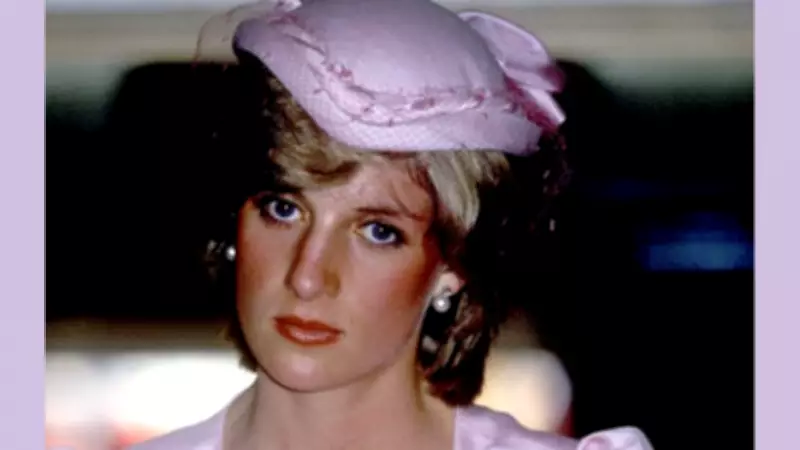
It is a quote that has been shared millions of times on social media, printed on inspirational posters, and quoted at motivational seminars: "Carry out a random act of kindness, with no expectation of reward, safe in the knowledge that one day someone might do the same for you." But if you sit with it for a moment, there is something deeper than just feel-good advice. This is not Diana telling you to be nice so you will get something back. It is something more radical than that.
The Radical Nature of the Quote
Princess Diana spoke these words in a world obsessed with transactional relationships. People do something and expect something in return. That is how most people operate, and how society tells us to operate. But Diana suggested something different: kindness does not need a reason or a guarantee. Perhaps that is the kind of thinking we actually need.
Why Random Acts of Kindness Are Rare
The thing about random acts of kindness is that they are genuinely rare. Most of what people call kindness is actually strategic. You help a colleague because you want them to help you later. You do something nice for a friend to bank social currency. You are nice at a party because you might see them again. Kindness has become an investment strategy. Diana's quote cuts through that. She says: do something kind for a complete stranger, someone you will probably never see again, someone who cannot return the favor. Do it anyway, without expecting anything in return, not even gratitude or recognition.

That is harder than it sounds. Most people can be kind when there is a reason, when they expect something back, when the person will remember them. But kindness with no audience, no reward, no certainty that it matters requires a different motivation entirely.
Why People Struggle with This Idea
The reason many struggle with random acts of kindness is the fear of being taken advantage of. If you do something nice and get nothing back, have you lost? Have you been fooled? That is the economic model we have been taught: every transaction must balance. But Diana operated from a different assumption: kindness is worth doing even if it does not balance out, even if you get nothing back, even if the person does not appreciate it, even if the world never knows. This does not mean being naive or letting people walk over you. It means separating kindness from expectation, doing something good because it is good, not because you are hedging your bets for the future.
The Meaning of "One Day Someone Might Do the Same"
The second part of the quote is interesting because it is not a guarantee. Diana says "might," not "will." She is not promising a return on investment. She is saying that in a world where random kindness happens more often, you are more likely to experience it yourself. But she is not making a deal with the universe or saying "be nice and karma will make sure you are okay." What she describes is how society changes. If more people did random acts of kindness, the world would be different, not because of cosmic scorekeeping, but because kindness would be normal. Strangers would help each other, and people would assume the best. She says that by being kind without expectation, you contribute to creating that world for everyone, not just yourself. You might benefit, but that is a side effect, not the point.
The Hard Part Nobody Talks About
Most people do not talk about how hard it is to be kind without recognition: to do something good and have no one know, to help someone and not be thanked, to give without expecting anything back, not even a warm feeling. Sometimes random acts of kindness do not feel good. Sometimes you help someone and they do not appreciate it. Sometimes you are kind and nothing changes. The world does not suddenly become better. The person does not become your friend. You do not get a medal or a thank you. You just did something kind and went back to your day. That is all. Diana understood that and did it anyway because she believed people deserved kindness regardless of the outcome, regardless of whether it mattered in the grand scheme, regardless of whether anyone was keeping score.

Living the Quote in 2026
The real challenge is not understanding what Diana meant but actually doing it. It is walking past someone who needs help and stopping, even though you are busy. It is giving money to someone on the street without asking what they will do with it. It is holding space for someone's pain even though you cannot fix it. It is believing that kindness is worth doing even when you do not know if it will make a difference. In 2026, in a world that has become even more transactional, measured, and focused on what we can get back, that kind of thinking feels almost revolutionary. Maybe that is why we keep coming back to this quote. Maybe it reminds us that there is a different way to live, not necessarily harder, just different and kinder. And maybe that is exactly what we need.