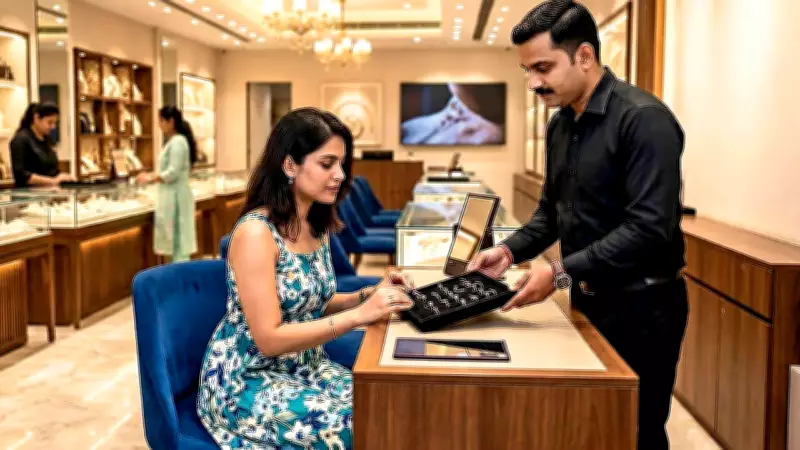
Akshaya Tritiya Gold Buying Evolves: Youth Embrace Self-Purchase Jewellery
The festival of Akshaya Tritiya, traditionally rooted in auspicious beliefs and family-led purchases of gold, is undergoing a notable transformation. While conventional family investments remain relevant, a growing number of individuals are now choosing to mark the occasion on their own terms, buying jewellery not merely as a ritual but as a personal milestone.
Young Consumers Redefine Intent Behind Purchases
Young consumers are at the forefront of this shift, actively redefining the intent behind jewellery purchases. According to Aditi Daga, co-founder of Angara, today's younger buyers are very intentional about acknowledging their self-worth. "They're not waiting for a life event or a gift from someone else – they're actively celebrating their own journeys," adds Dhruv Jhaveri, Director of Madanji Meghraj Jewellers.
This evolution reflects a broader change in how Akshaya Tritiya is celebrated. Aditi notes that while traditional, family-led purchases still hold importance, there is a clear rise in individuals choosing to mark the moment for themselves. "It's less about following convention and more about celebrating personal milestones, identity, and meaning. Jewellery is no longer something that just sits in a locker – it's chosen with intent, worn often, and experienced in the present," she explains.

Emotional Resonance and Dual Purchasing Intent
Dhruv Jhaveri highlights the deep emotional resonance in this shift, describing it as a declaration of self-love and financial independence that now stands alongside long-standing family traditions. He points out that Akshaya Tritiya brings both auspicious timing and festive offers, resulting in a dual purchasing intent.
Traditional vs. Contemporary Preferences:
- Many families continue to use this time for trousseau shopping or investing in heavier, heritage-inspired pieces like ornate polki, rich emeralds, or traditional plain gold sets.
- Those buying for themselves are leaning towards contemporary, everyday luxury, such as sleek diamond bracelets, minimal 18K gold accents, and wearable pieces.
Rings and Pendants Lead Self-Purchase Trends
Rings remain the top choice for self-purchase, followed by pendants, necklaces, and earrings. There is a clear preference for 18K, 14K, and 9K gold, especially in yellow and white tones. Aditi Daga explains that these formats work well for everyday wear, aligning with how people approach occasions like Akshaya Tritiya today.
Additionally, there is a growing tilt towards gemstone-led designs. Stones like sapphires, emeralds, and rubies are no longer just accents but are becoming central to jewellery pieces, adding colour, individuality, and meaning.
Focus on Chic and Easy-to-Style Jewellery
Yogesh Soni, Co-owner of Punamchand Jewellers, adds that customers buying for themselves are leaning towards chic, easy-to-style jewellery. This includes sleek diamond pendants, contemporary rings, charm bracelets, and elegant studs. The focus is on pieces that feel personal and can transition easily from everyday wear to special occasions.
This shift underscores a broader cultural change where jewellery purchases are increasingly driven by personal expression and celebration of individual achievements, rather than solely by tradition.