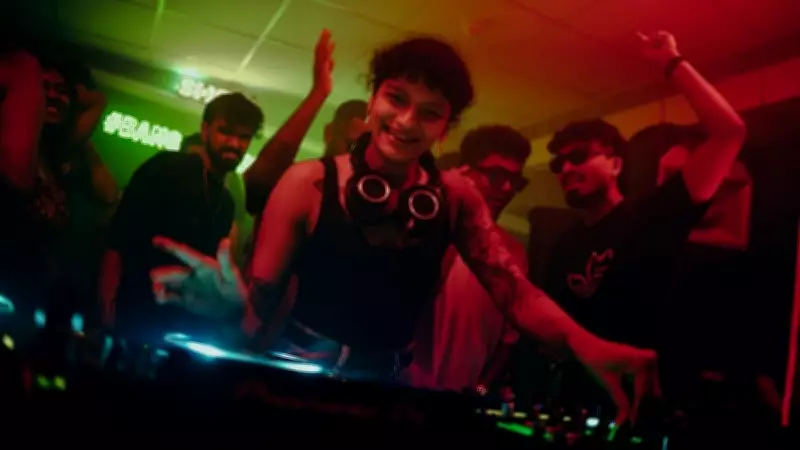
Queer dance floors have long been celebrated as sanctuaries of self-expression and freedom for the LGBTQ+ community. However, recent discussions highlight that these spaces are not immune to harassment, discrimination, and violence. In response, grassroots organizations, club owners, and activists are collaborating to implement measures that ensure safety and inclusivity for all attendees.
Understanding the Need for Safer Queer Spaces
While queer clubs and parties often serve as havens from societal prejudice, incidents of unwanted touching, verbal abuse, and exclusionary behavior have been reported. Transgender individuals, people of color, and those with disabilities face heightened risks. The need for proactive safety protocols has become urgent.
Community-Led Initiatives
Several initiatives have emerged to address these issues. For instance, the Safe Party Project in Berlin trains staff and volunteers in de-escalation techniques and bystander intervention. In London, Queer Spaces Network promotes a code of conduct that emphasizes consent and respect. These efforts are often funded by crowdfunding and supported by local LGBTQ+ centers.

Consent Training and Awareness
Workshops on consent are becoming integral to queer nightlife. Organizers teach attendees to recognize non-verbal cues and intervene when witnessing discomfort. Some venues now have designated safe zones staffed by trained personnel where individuals can report incidents discreetly.
Challenges and Criticisms
Despite progress, challenges remain. Some club owners resist implementing changes due to cost concerns or fear of alienating patrons. Others argue that overly strict rules could stifle the liberating atmosphere of queer spaces. Additionally, marginalized subgroups within the community, such as queer people of color, often feel overlooked in mainstream safety discussions.
Exclusion and Gatekeeping
Critics point out that some queer events still enforce gatekeeping based on appearance or identity, contradicting the principle of inclusivity. Transgender women, in particular, report being turned away or subjected to invasive questioning at entry points.
Global Perspectives
In cities like Mumbai, queer nightlife is nascent but growing. Organizers of the Queer Pride Party emphasize the need for security personnel sensitized to LGBTQ+ issues. In New York, the House of Yes club has implemented a comprehensive anti-harassment policy that includes banning perpetrators across events.
Technology and Safety
Apps like SafeNight allow users to share their location with trusted contacts and report unsafe venues. Some clubs use wristband systems to indicate consent levels, though such methods have been critiqued for oversimplifying complex social interactions.
Looking Forward
The movement to make queer dance floors safer is gaining momentum. Activists call for more research on effective interventions and for funding to support low-income venues. Ultimately, creating safer spaces requires ongoing commitment from all stakeholders—organizers, staff, and patrons alike.