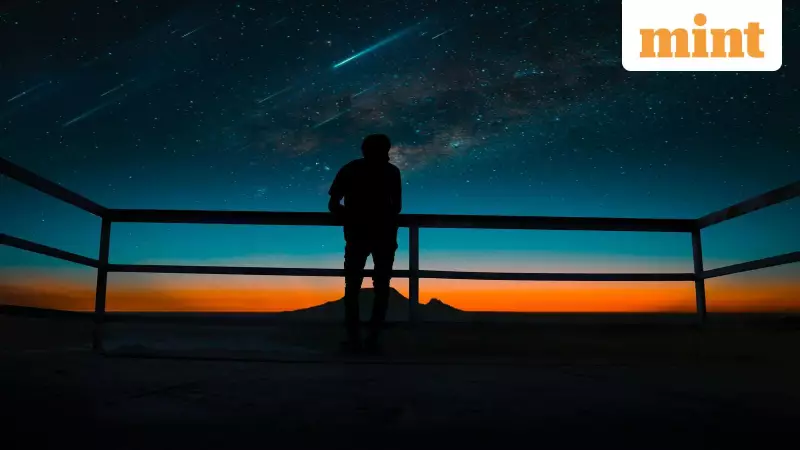
Astronomy enthusiasts across India have a final celestial treat for the year. The Ursids meteor shower, the last major meteor display of 2025, is set to reach its peak intensity tonight and tomorrow, offering a dazzling spectacle of shooting stars.
Ursids Meteor Shower: Peak Timings and Viewing Guide
Active since around 17 December, the Ursids meteor shower will continue until 26 December. However, its most intense phase, where viewers can witness up to 10 meteors per hour, is scheduled for 22 and 23 December. This cosmic event occurs as Earth passes through the debris trail left by comet 8P/Tuttle.
The shower derives its name from the constellation Ursa Minor (Little Dipper), as the meteors appear to radiate from that point in the sky. Notably, this year's peak coincides with the winter solstice, the longest night of the year, providing an extended window for observation.

Best Viewing Times for Major Indian Cities
For optimal viewing, skywatchers should look up during specific time slots. In the national capital, the best opportunity in Delhi will be between 5:30 PM and 10:30 PM, with peak activity expected around 10:30 PM.
Here are the prime viewing windows for other major cities:
- Kolkata: 4:30 PM to 9:30 PM
- Mumbai: 8:30 PM to 10:30 PM
- Chennai: 5:30 PM to 9:30 PM
- Hyderabad: 5:30 PM to 10:30 PM
How to Get the Best Meteor Shower Experience
You don't need any special telescopes or equipment to enjoy this natural light show. Success depends largely on location and patience. Experts like astronomer Peter Brown from Canada's Western University emphasise that "The darker your sky, the better the shower is going to be."
For the best experience, find a spot away from city lights and pollution. Use astronomy apps to locate a clear patch of sky about 40 degrees above the horizon. Remember, while meteors seem to come from the Ursa Minor direction, they can streak across any part of the sky. Be prepared to spend at least 20-30 minutes letting your eyes adjust to the darkness.
Potential obstacles include the moon's brightness and cloudy weather, which can obscure the fainter meteors. This shower is a perfect opportunity for those who missed the recent Geminids to end the year gazing at a surreal, starry spectacle.