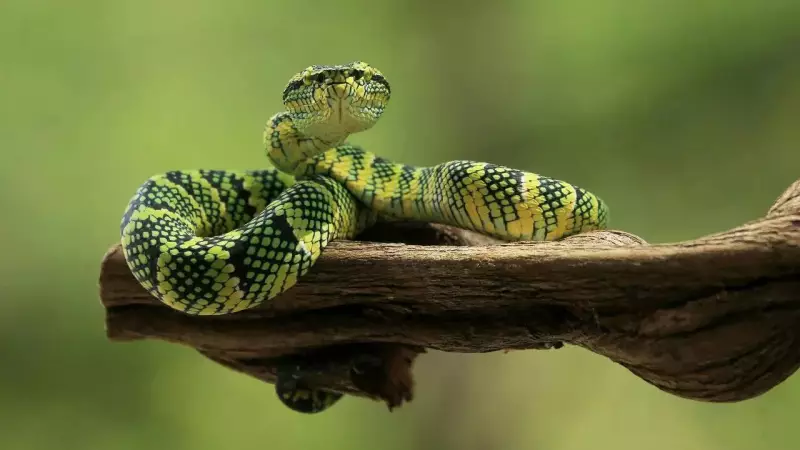
Gardens are typically seen as serene, controlled spaces. Yet, a subtle transformation can occur, turning a peaceful retreat into an unexpected habitat for snakes. This shift is often driven not by dangerous flora, but by common, beloved plants that inadvertently create a perfect environment for these reptiles.
The Hidden Link Between Hostas and Increased Snake Sightings
One of the primary plants under scrutiny is the Hosta, a staple in shaded gardens across India and warmer regions globally. Hostas are not dangerous, but their very structure makes them a magnet for snakes. Their broad, dense leaves spread low to the ground, forming a thick canopy that completely covers the soil.
This creates a cool, dark, and moist microclimate beneath—precisely the conditions snakes seek for shelter during the heat of the day. The leaves often bend down, forming natural tunnels that allow for discreet movement. Furthermore, this damp, shaded environment attracts slugs, frogs, and insects, which are a ready food source for snakes. A Hosta bed thus becomes a quiet, undisturbed haven offering both shelter and hunting grounds.

It is particularly common for gardeners in southern or warmer regions of India to discover snakes coiled beneath their Hostas, especially by the plant's second summer of growth. When planted near fences, walls, or rock piles, Hostas can connect these hiding spots, providing snakes with a protected network to traverse the garden unseen.
How to Deter Snakes Without Sacrificing Your Garden's Beauty
For gardeners who love Hostas but wish to minimize snake visits, several strategies can be employed. Complete prevention is challenging due to the plant's natural growth habit, but risk can be reduced.
- Modify the Environment: Actively remove thick undergrowth, allow soil under plants to dry out more between waterings, and control pest populations that attract snakes.
- Relocate or Replant: Consider moving Hosta beds to elevated containers or sunnier areas where the ground-level cover is less dense and the soil is drier.
- Strategic Planting: In regions with high snake activity, the most effective step may be to choose alternative plants that do not provide the same kind of ground-level shelter.
The key is understanding that snakes are drawn to specific conditions—shade, moisture, cover, and prey. Knowledge and careful planning are a gardener's best tools for creating a space that is less appealing to reptiles while remaining beautiful.
Snake-Resistant Alternatives for a Safer Garden
If creating a snake-free zone is a priority, opt for plants that do not form dense, cool shelters at the soil level. Better choices include:
- Taller, airier shrubs that don't create a thick mat at the base.
- Sun-loving perennials that thrive in well-drained conditions.
- Plants that do not promote excessive moisture retention on the ground.
Maintaining open spaces, using gravel or mulch that snakes dislike moving across, and encouraging regular foot traffic in the garden can also act as strong deterrents. Even modest changes, like replacing a dense Hosta grouping with more open plantings, can have a significant impact. The goal isn't to make the garden inhospitable to all wildlife, but to avoid crafting an ideal snake hideout.
Ultimately, Hostas remain a popular and visually appealing plant. However, in warmer parts of India where snakes are already part of the local ecosystem, they can unintentionally turn a garden into a reptile-friendly zone. By making informed choices about plant selection and garden layout, enthusiasts can enjoy their green sanctuaries with greater peace of mind.